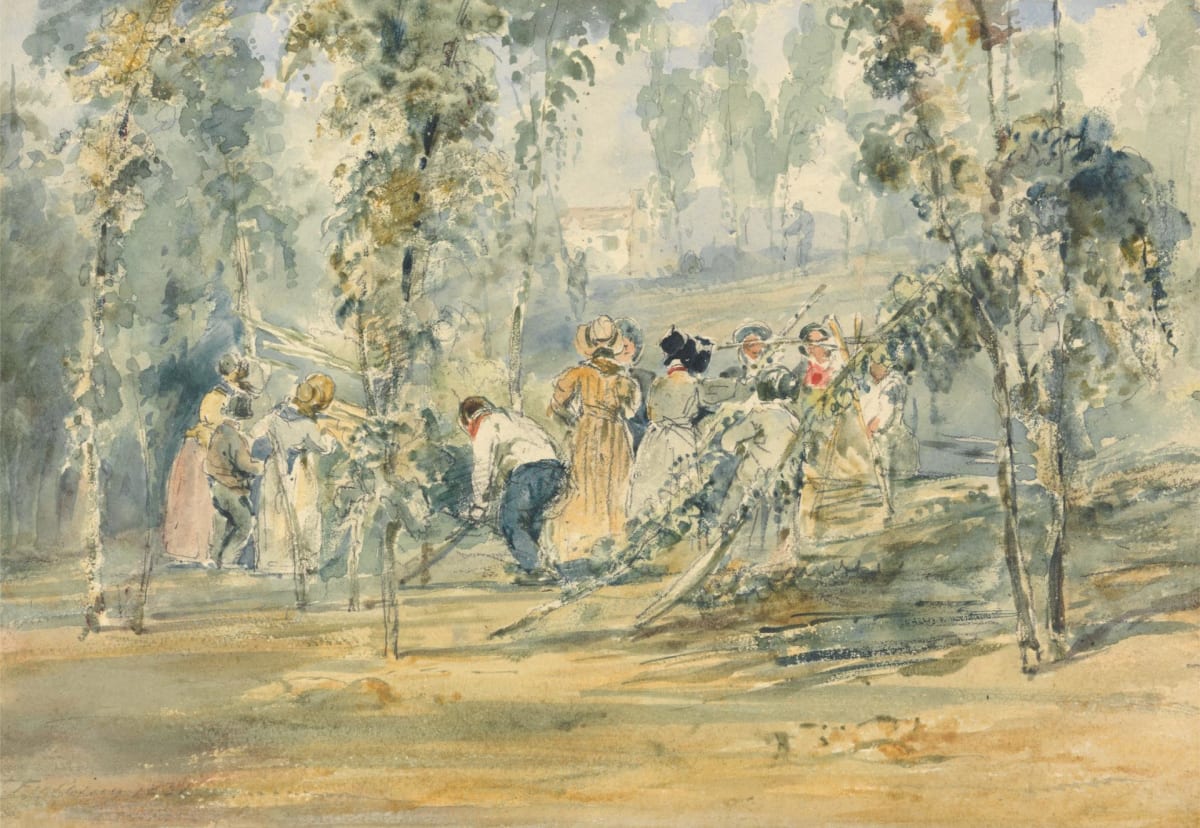
A Hop-Picking Holiday in Kent in Margaret Harkness’s In Darkest London”
Carolin Sternberg outlines the plot of 'In Darkest London' written by Margaret Harkness

Carolin Sternberg outlines the plot of 'In Darkest London' written by Margaret Harkness

Frances Hodgson Burnett’s years at Great Maytham Hall near Rolvenden link a specific Kent house and walled rose garden to the imaginative origins of The Secret Garden and other late works. The restored garden and local village life shaped her routines, philanthropy, and sense of Englishness even as marriage turmoil and transatlantic moves pulled her toward America.

Reginald Koettlitz, a Dover-trained doctor, carried medical practice and scientific observation from Kent to Arctic and Antarctic expeditions at the turn of the twentieth century. His health logs and correspondence reveal tensions and omissions in official exploration narratives while linking Dover institutions and collections, including the museum polar bear, to global networks of polar science and print culture.

Dover’s night-time streets, inns, cliffs, and harbour recur in British writing as a charged border landscape where travel meets risk and desire. Poems, novels, ballads, and ghost stories turn moonlit Dover into a stage for smuggling, abduction, ship-and-rail departures, wartime threat, and fleeting encounters across the Channel.

Elizabeth Elstob emerges from Canterbury’s late seventeenth-century schoolrooms as a pioneering scholar of Old English and a public advocate for women’s education. Family patronage and Oxford networks enabled her publications, but exclusion from formal institutions and the death of her brother forced a shift from scholarship to teaching and governess work. Her later commemoration, including a Canterbury blue plaque, links intellectual achievement to local memory and place.

Rochester’s streets, bridge, castle, and cathedral anchor a long literary and cultural history from Tudor royal visits to Dickens’s Cloisterham. A sequence of writers, actors, scientists, and local figures—from Samuel Pepys and Sarah Dixon to Henslow, Ellen Ternan, and Enid Bagnold—ties biography and text to specific buildings, inns, and map points across the city.

Medieval Canterbury survives in timber-framed shops, parish churches, and hospital complexes whose fabric preserves Roman spolia, late medieval carpentry, and early sanitation. Details such as smoke bays, dragon beams, misericords, and Caen-stone construction reveal how craft practice, pilgrimage, and charitable care shaped the city’s streetscapes and institutional buildings over time.

The River Stour in Kent links a chain of writers, texts, and local histories from Little Chart and Wye to Canterbury, Sandwich, and Pegwell Bay. Encounters with H.E. Bates, Jane Austen, Chaucer, Belloc, Aphra Behn, Conrad, and others show how one river corridor carries layered narratives of pilgrimage, schooling, work, migration, and war into the coastal margins and the Goodwin Sands.

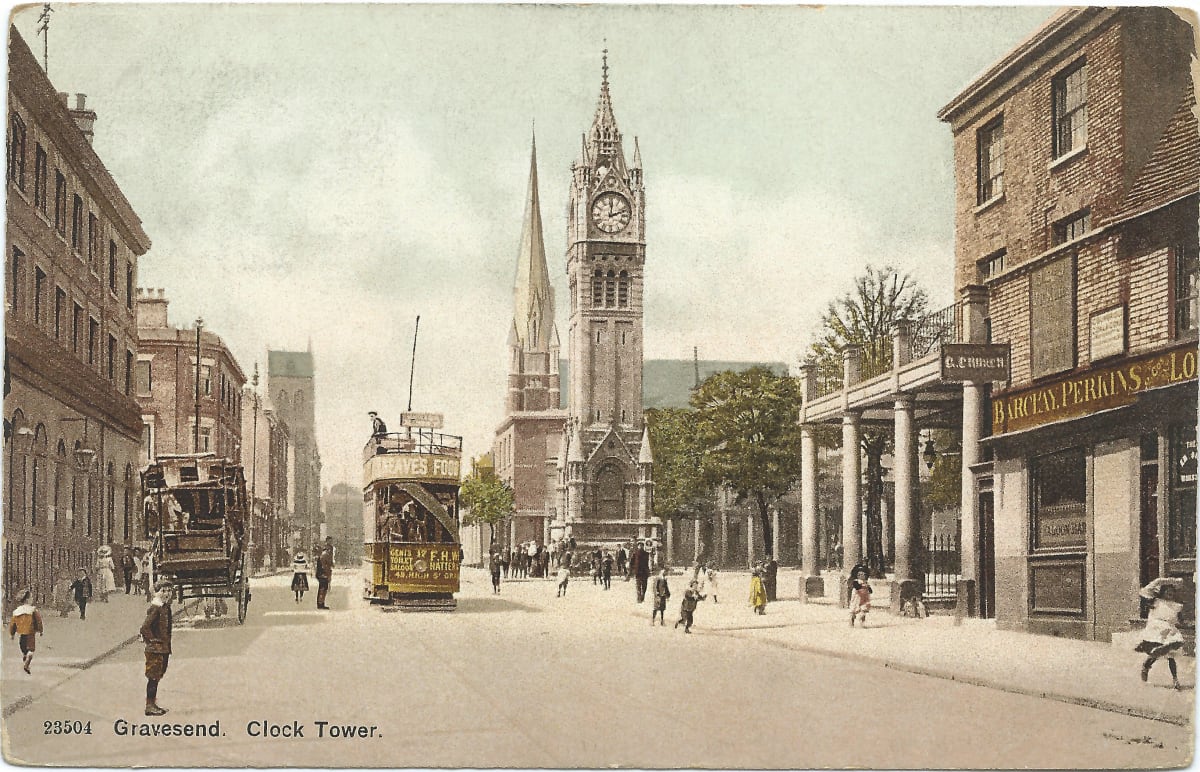
Gravesend was subjected to bombing raids in both World War 1 and World War 2. But visitors to the town can still see the basement of Milton Chantry, constructed in 1322, as well as Roman remains discovered nearby.

Rochester’s cathedral precinct, High Street, Eastgate House, and the River Medway anchor a literary walk that traces how Charles Dickens transformed local landmarks into Cloisterham in The Mystery of Edwin Drood. Close reading alongside on-the-ground geography shows where the novel shadows real streets and where invention and later heritage marketing reshape the imagined town.

Dover figures largely in the Dickensian imagination, most famously as the place where David Copperfield takes refuge with his eccentric aunt Betsey. It also features in both _Little Dorrit_ and _A Tale of Two Cities_. But Dickens’s private letters offer a less flattering picture of the town.

Desire paths are, in the most literal terms, human-made trails created by erosion.