
Mary Kelly (1927-2017)
Due to a Death was written by Mary Kelly after a visit to Kent
Due to a Death was written by Mary Kelly after a visit to Kent
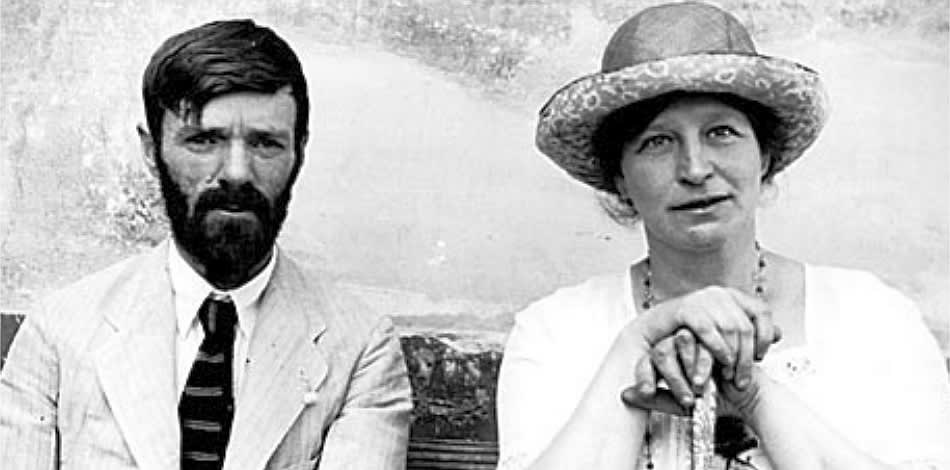
D.H. Lawrence’s Kent stays at Edward Garnett’s house at Crockham Hill and later at Kingsgate and Margate shaped his writing and sharpened his sense of belonging and alienation. Letters and recollections link specific places in the Weald and on the Thanet coast to poems and stories drafted or revised amid seaside tourism, strained relationships, and literary friendships.

Julian Symons was a poet and a prolific author of both history and crime fiction.
Dinah Craik’s move to Shortlands in 1869 links a purpose-built literary home, The Corner House, to her fiction and to debates on married women’s property and financial independence. Bromley becomes a hub for mentoring, music and philanthropic sociability, showing how domestic space, authorship and middle-class charity reinforced one another in late Victorian life.
Georgina Hogarth and Ellen Ternan sustained a long, carefully managed friendship shaped by gossip about Charles Dickens and by the need for discretion. Margate High School and Wharton House anchor a story of visits, public appearances, letter-editing labor, and later financial decline, revealing how women protected reputations while relying on domestic networks and precarious incomes.

Kent’s seaside piers trace the rise of coastal resorts from early sea-bathing and steamboat travel to the railway-driven boom in mass tourism. Landing stages and iron pleasure piers reshaped towns such as Margate, Herne Bay, Deal, Folkestone and Gravesend, then storms, war damage and changing leisure habits wiped out many structures while a few adapted to new uses.

Convict hulks moored along the Thames and Medway turned obsolete ships into floating prisons that reshaped detention and transportation policy from the late eighteenth to mid-nineteenth century. Cost-cutting, disease, forced labour, and public fear made the hulks a notorious stopgap tied to naval dockyards and marshland landscapes, later fixed in popular memory by Dickens and reform debates.
Crime fiction turned Kent’s railway stations, seaside resorts, and marshland into stages for mystery from the sensation novel to the Golden Age. Trains and holiday travel feed narratives of danger in works by writers such as Arthur Conan Doyle, J. S. Fletcher, and Freeman Wills Crofts, while places like Folkestone, Margate, Rochester, and Romney Marsh anchor the genre’s local imagination.
Malcolm Shifrin discusses the introduction of Islamic inspired bath houses to England and Kent.
Helena Kelly speculates on the reinterpretation of Dicken's work if his mistress Ellen Ternan had had a stronger relationship with Kent.
Prof. Carolyn Oulton traces artist, etcher and illustrator Hablot K. Browne's connections to Kent.
David Baron’s conversion from Orthodox Judaism to Protestant Christianity intersected with Dover’s rapid late nineteenth-century growth and the consolidation of its Jewish institutions. Mission networks around the Mildmay Mission to the Jews used venues such as the Maison Dieu Hall and Ramsgate’s Foresters Hall to build support, link Kent to pogrom-era Eastern Europe, and project evangelism across borders.