
The Spanish Armada and Kent
Research by Duke of Edinburgh Scheme Participants describes the importance of Kent to the invasion plans of the Spanish Armada.
Research by Duke of Edinburgh Scheme Participants describes the importance of Kent to the invasion plans of the Spanish Armada.

Mary L. Pendered built a literary career alongside feminist activism during her years in Herne Bay and Beltinge, leading local suffrage organising and public debate. Her trajectory from New Woman fiction and journalism to pastoral novels and wartime voluntary work reveals how politics, place, and reputation diverged, leaving her Kent contributions largely unremembered.
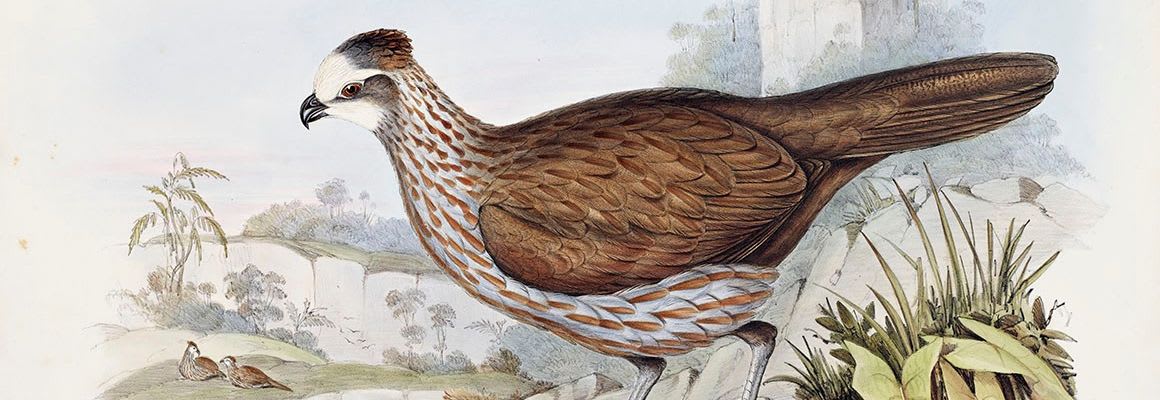
Carina Chan details the life and work of ornithological illustrator and Kent native, Elizabeth Gould.
Edith Nesbit’s visit to Scotney Castle and a suggestion from Oswald Barron link Kent place-names to the adult novel The Secret of Kyriels and to ideas behind The Railway Children. Scotney Castle, Brenchley, and the Cryals farmhouse anchor a layered history that runs from medieval Kyriell family power in Kent to later literary inspiration and travel connections.
Edith Nesbit’s move from suburban Eltham to Romney Marsh reveals how financial strain and a hunger for open landscape shaped her final years and late writing. St Mary’s Bay and St Mary in the Marsh offered improvised domestic spaces, literary friendships, and a powerful horizon of marsh and sea that framed her illness, death, and burial.
Edith Nesbit’s writing turns the River Medway into a lived landscape of barges, towpaths, inns, and riverbank flora, linking everyday travel and leisure to vivid natural description. Passages from In Homespun, The Wouldbegoods, Salome and the Head, and The Incredible Honeymoon anchor her imagination in specific places such as Tonbridge and Yalding while also condemning utilitarian building that threatens the river’s character.
Edith Nesbit’s teenage stay in Penshurst links a vivid childhood memoir to the village’s churchyard, parkland, and spring landscape. Penshurst Place, the Sidney family estate, anchors the local history and shows how gardens, riverside walks, and cycle routes turn a remembered scene into a navigable literary landscape.
Edith Nesbit’s home in Lee placed a prominent children’s writer inside a rapidly growing suburban district on Kent’s historic edge. Newspaper gossip about the Fabian household shows how socialist politics and aesthetic domestic life challenged bourgeois respectability in late Victorian Lee.
Edith Nesbit’s childhood in Halstead shaped the landscapes, houses, and everyday adventures that later reappear in her fiction. Orchards, pubs, a reputedly haunted Halstead Hall, and the nearby railway line become sources for scenes and moods in works such as The Wouldbegoods, The Phoenix and the Carpet, and The Railway Children. Local agricultural change and village life frame how memory, place, and storytelling intertwine in her writing.
Edith Nesbit’s repeated holidays in Dymchurch link the Kent coast and Romney Marsh to the settings, images, and moods of her fiction. Seawalls, Martello towers, smugglers’ lore, and marshland travel shape both her children’s books and darker tales, while local development and village life reveal how a resort landscape entered print culture.
Edith Nesbit’s life and writing intertwine with Kent through childhood years in Halstead, boating on the River Medway, and repeated seaside stays at Dymchurch and St Mary’s Bay. Specific villages and landscapes shaped her early poetry, settings in children’s books, and later adult fiction, showing how return visits kept these places active in her imagination.

Deal shifted from a working anchorage serving ships in the Downs to a seaside resort economy as steam replaced sail in the late nineteenth century. Town politics and commercial pressures shaped the promenade, pier entertainments, and the slow emergence of venues like the Pavilion, while pubs and tourist guides helped define the town’s visitor culture through the twentieth century.