Hengest and Horsa
Hengest and Horsa shape Kent’s origin myth through Bede’s account and later retellings that blend migration history with symbolic legend.

Hengest and Horsa shape Kent’s origin myth through Bede’s account and later retellings that blend migration history with symbolic legend.

The Battle of Crayford survives mainly as a brief Anglo-Saxon Chronicle entry that links a mid-fifth-century fight at a river crossing on Watling Street to Kent’s origin myths. Sparse and conflicting dates in the Chronicle expose how later writers shaped contested memory, while modern local projects and place-names show how communities reinterpret the story in today’s Crayford streetscape.

Sarah Grand was the author of the controversial 1893 novel The Heavenly Twins, and remains one of the most celebrated of the New Woman authors. She lived in Tunbridge Wells for some years, becoming President of the local branches of the National Council of Women and the National Union of Women’s Suffrage Societies.

Stephen Williamson introduces the influence of a Kentish childhood on the work of author and war correspondent, George Alfred Henty.

St. Peter and St. Paul’s church at Headcorn anchors over a thousand years of parish life in the Weald, with documentary traces reaching back before 1100 and fabric that still reveals each rebuilding phase. Bethersden marble, Perpendicular design, and a celebrated medieval timber roof sit alongside local legends of the Old Oak, a parvise prison cell, and a possible plague pit in the cemetery.

St Mary the Virgin church at Fordwich concentrates nearly a millennium of building change at the highest navigable point of the River Stour. Flood damage, unusual thirteenth-century windows, and survivals such as bread-shelves and the Fordwich Stone reveal how local landscape, craft networks, and shifting religious life shaped a small riverside town’s landmark.

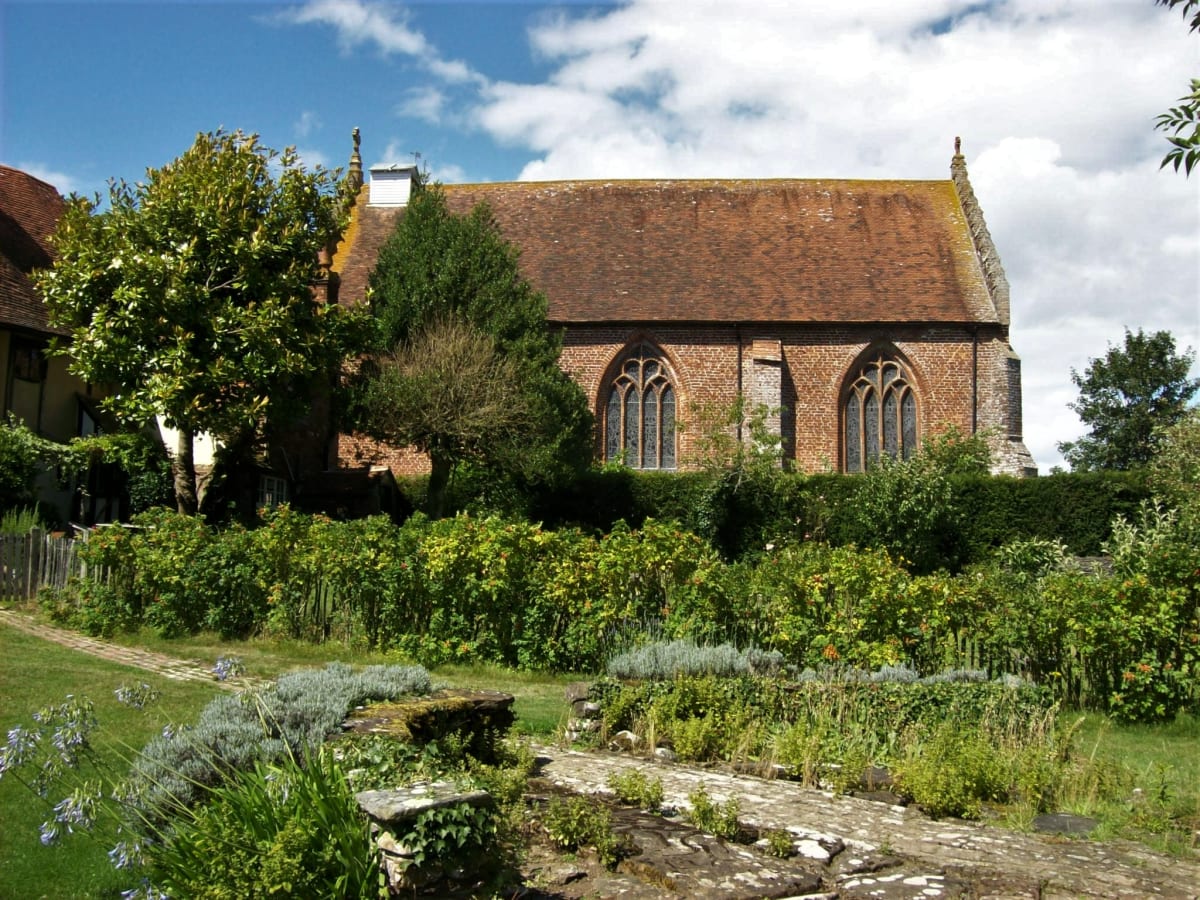
St John the Baptist church at Small Hythe links a now-landlocked village to Kent’s medieval coastal waterways, shipbuilding, and Cinque Ports connections. A lost fourteenth-century chapel, the 1514 fire, and a rebuilt brick church with Low Countries influences reveal how community pressure, migration of materials and craftsmen, and shifting landscapes shaped local worship. Ellen Terry’s long residence at nearby Smallhythe Place and the church’s interior artworks tie the site to modern performance culture and memory.

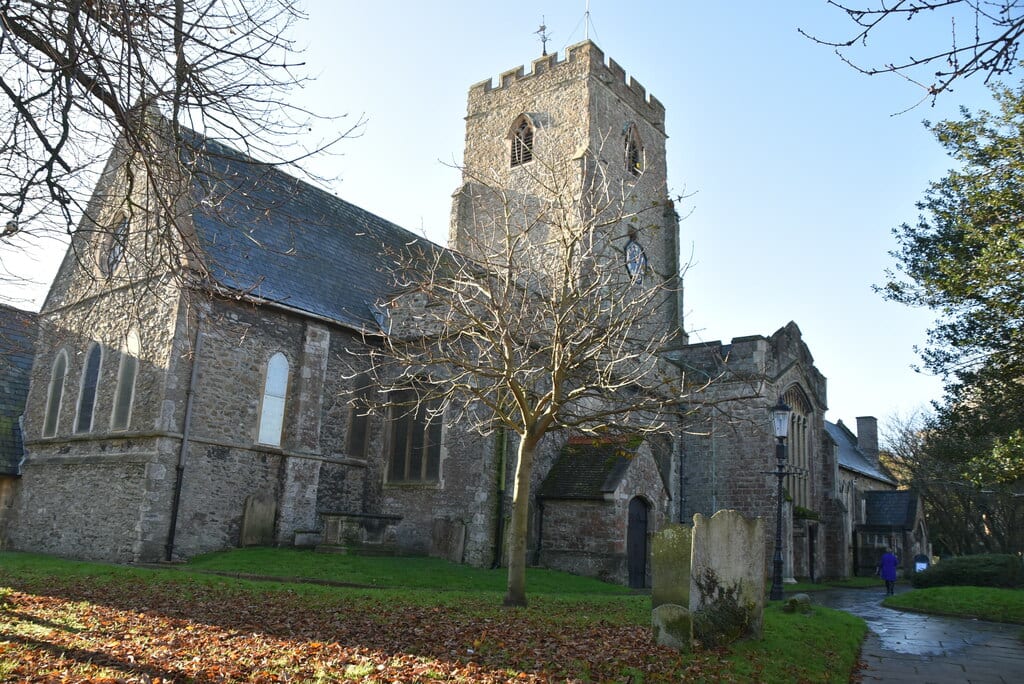
St Mary and St Eanswythe church in Folkestone preserves the cult and relics of a seventh-century Kentish princess-saint while revealing a long cycle of destruction and rebuilding on an unstable cliff edge. Architectural changes from Norman origins through medieval expansion, Reformation survival, storm damage, and Victorian restoration show how local wealth, patronage, and devotion reshaped a parish church into a near-cathedral interior.

The fictional village of Delmonden, created by Kaye-Smith for her novel Shepherds in Sackcloth, is based on the Kentish border village of Newenden.

Poet John Brent was a political campaigner and 3-times Mayor Canterbury. He was also a member of the Kent Archaeological Society and is best known for his 1860 Canterbury in the Olden Time.

Dover Castle’s underground tunnel network shaped British coastal defence from Georgian casemates to a Second World War command centre. The tunnels housed thousands of troops and supported Operation Dynamo and the Fortitude South deception, helping divert German attention from Normandy and reduce Allied losses.

R. Austin Freeman is believed to have invented the ‘inverted’ crime story, although fellow crime writer Julian Symons likened reading his work to chewing dry straw.