Chalk pits, Ash and Stig of the Dump
Ash in West Kent inspired the story of Stig of the Dump

Ash in West Kent inspired the story of Stig of the Dump
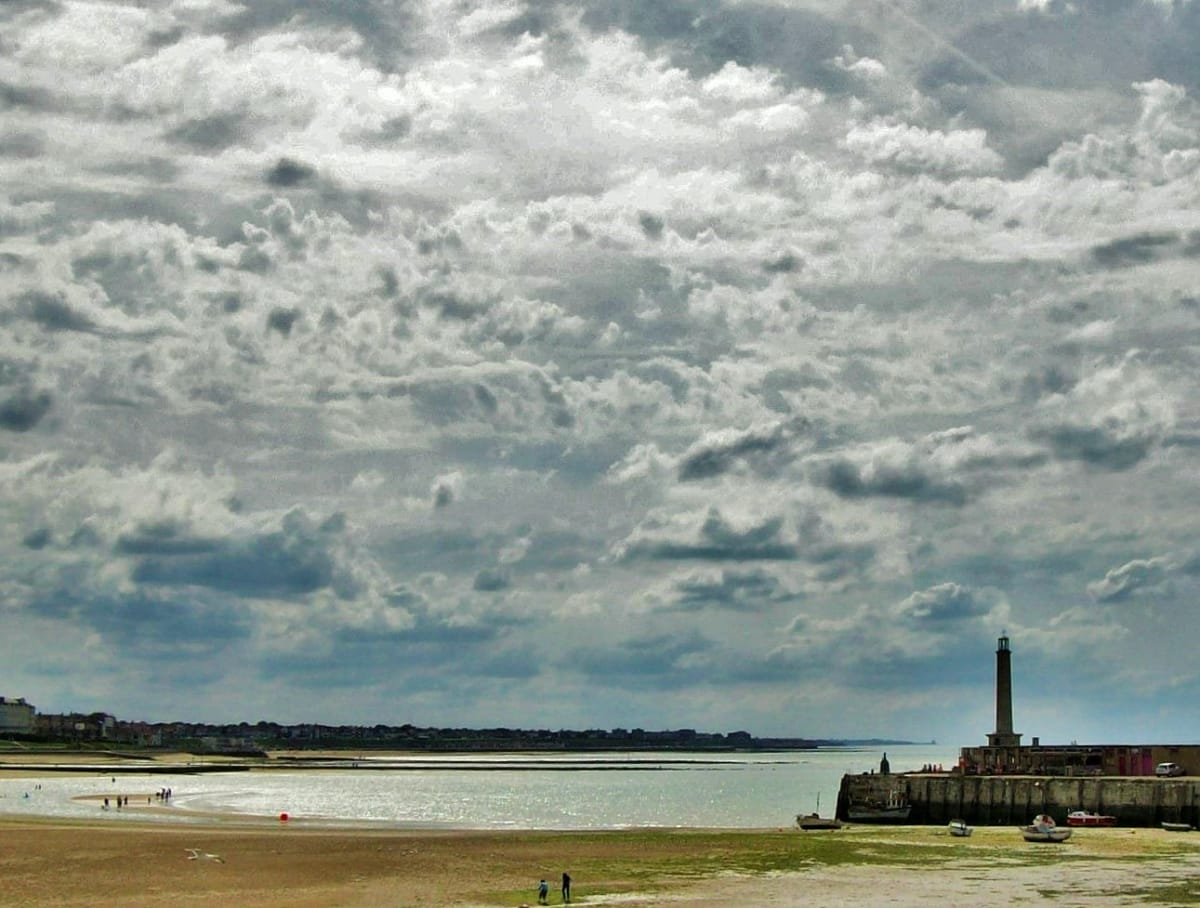
Margate’s shift from a declining Victorian seaside resort to a 21st-century cultural hub shows how arts investment and local pressure groups can drive urban renewal. The Turner Contemporary, revived attractions like Dreamland, and new festivals and workshops sit alongside persistent inequality and the uncertainties facing creative industries after Covid.

Diary notes from 2007 to 2018 trace Laurie Duggan’s daily life in Kent through weather, wildlife, walks, pubs, and changing seasons around Faversham, Canterbury, and the coast. Literary and artistic references to Turner, Woolf, Blake, Dickens, Manet, and Hopper sit alongside observations of floods, marshes, rail travel, and local festivals to show how place shapes attention and memory.

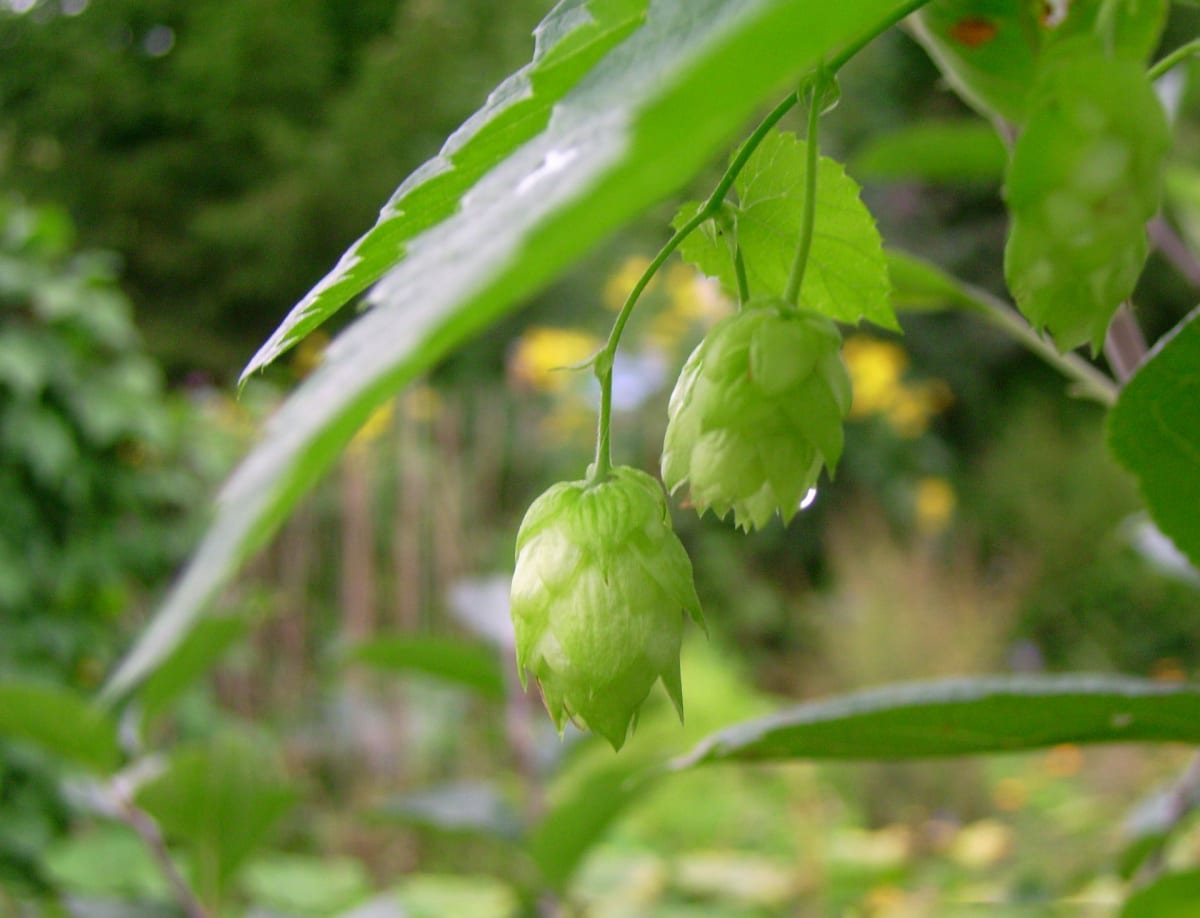
Hop and fruit picking in 20th-century Kent drew transient workers into rural landscapes and triggered sharp acts of othering by resident observers. Literary and sociological accounts by Blunden, Maxwell, Jefferies, Church, Jack London, and Orwell frame pickers as picturesque intruders, threatening outsiders, or desperate laborers, exposing tensions of class, mobility, and seasonal work.

Alexa Barrett considers the influence of the Kings School, Canterbury on Sir Hugh Walpole and other authors.

Cathedral music in early nineteenth-century Canterbury turns on the career of lay clerk James Shoubridge, whose reliable singing and leadership drew repeated gratuities and helped anchor local concert life. Newspaper reports and cathedral records trace his role in the Sacred Harmonic Society and show how musical networks at Canterbury Cathedral fed into wider professional opportunities in London.

Charles Darwin’s forty years at Down House in Downe made Kent a laboratory for experiments that fed his most influential books on evolution, plants, and animal behaviour. Vivid metaphors such as the Tree of Life show how his literary style shaped scientific argument and later artistic interpretation even as his own taste for poetry and painting declined.

Founded in 1768, the Kentish Gazette remains in print today.

John Wallis’s life connects Ashford and the wider Kent landscape to the rise of seventeenth-century mathematics, cryptography, and scientific correspondence. Plague schooling, inherited property, Civil War codebreaking, and coastal tide observations reveal how local networks and places in Kent shaped his career even as he worked mainly in London and Oxford.

Thousands of Belgians sought refuge in Britain during WW1. Many entered Britain via Folkestone Harbour following the fall of Antwerp in October 1914.
Painter, poet and film-maker Derek Jarman spent his final years at Prospect Cottage in Dungeness, where he created a garden that would serve as both “therapy and pharmacopoeia.

Dr Sophie Baldock reviews the influence of his Margate holidays on the work of poet John Keats.