Donald Maxwell (1877-1936)
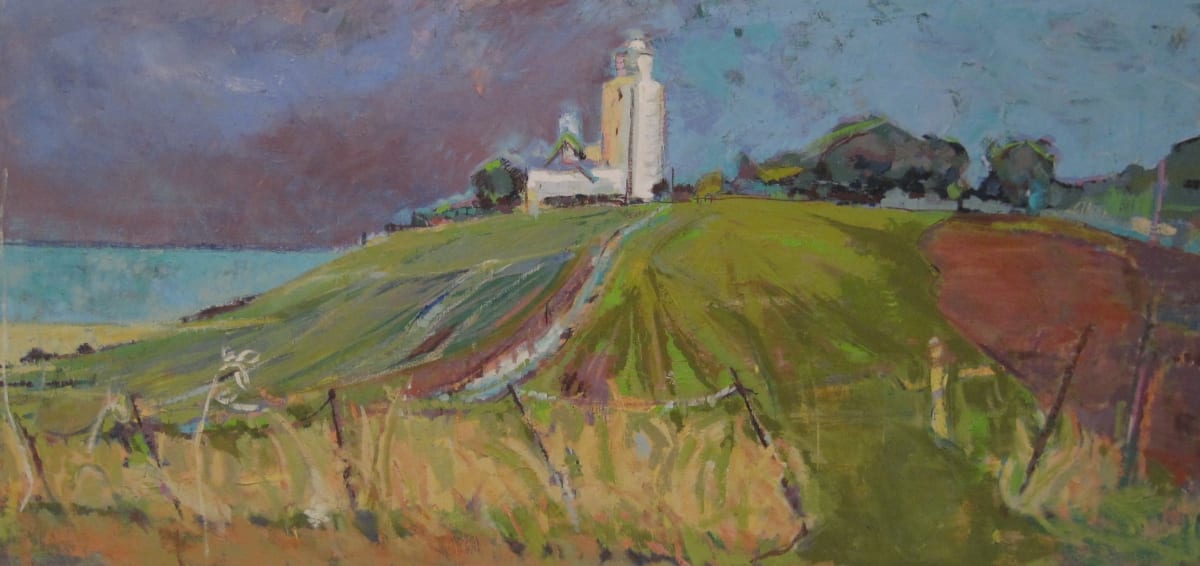
Prof. Peter Vujakovic considers the Kent landscape in the work of early 20th century writer and illustrator Donald Maxwell.

Montague Rhodes James links a Kent childhood at Goodnestone with a later career as a leading medieval scholar and celebrated writer of ghost stories. Academic research on Canterbury and Dover libraries sits alongside tales that shaped British screen horror through BBC adaptations and films such as Night of the Demon.

E.M. Forster’s formative years in Kent link Tonbridge School, North Downs visits at Trottiscliffe, and a Weald caravanning holiday to his developing classical sensibility and imaginative geography. Specific places and friendships, including Sydney Waterlow and the Countess von Arnim’s circle, fed into The Longest Journey and sharpened his later reflections on English myth-making in Howards End.

John Brunner’s 1971 novel Double Double turns the North Kent coast into a late-1960s counterculture roadscape of ferries, pirate radio, holiday camps, and seaside laboratories. Dated gender and race politics sit alongside vivid coastal and countryside description, so the book’s lasting interest lies less in its monster plot than in its textured sense of moving through Kent’s resorts and rural lanes.

In this visual essay, Diana Hirst considers the East Kent life of novelist, Elizabeth Bowen and the influence of that landscape on her work.

Netta Syrett, born in Ramsgate in 1865, built a prolific career across novels, children’s books, plays, and short stories while drawing early life details from a comfortable coastal childhood. New Woman themes shape her most lasting impact, with independent heroines challenging Victorian gender roles through fiction and periodical writing including contributions to The Yellow Book.

A series of day trips inspired by the experience of Victorian Dickens pilgrims. But what do we think we are doing when we get lost in a literary landscape?

Geoffrey Chaucer’s Kent connections link his public roles and financial pressures to the imaginative geography of pilgrimage in The Canterbury Tales. Canterbury and Harbledown emerge as layered literary places where later continuations like the Tale of Beryn and local sites such as the Cheker of Hope reshape what it means for the pilgrims to arrive.

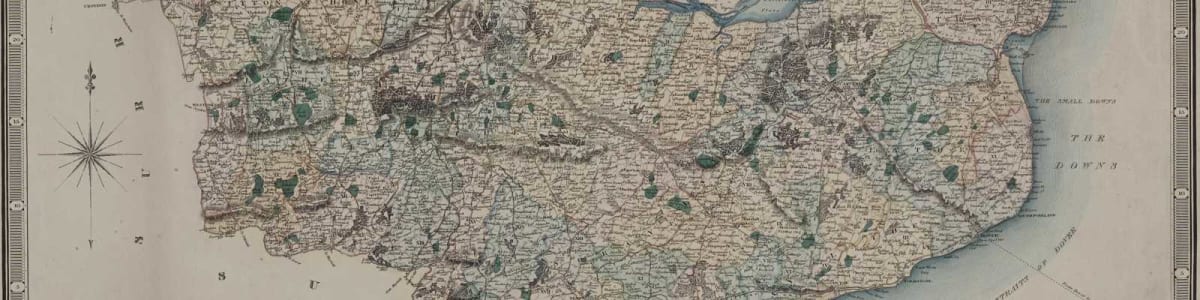
Kent’s varied geology and landforms shape distinct literary settings, linking authors such as Dickens, Sassoon, and Kaye-Smith to marshes, downs, weald, and chalklands. The concept of pays connects physical geography to settlement patterns, land use, and regional identity, showing how deep time and human engineering inform both place and narrative tone.

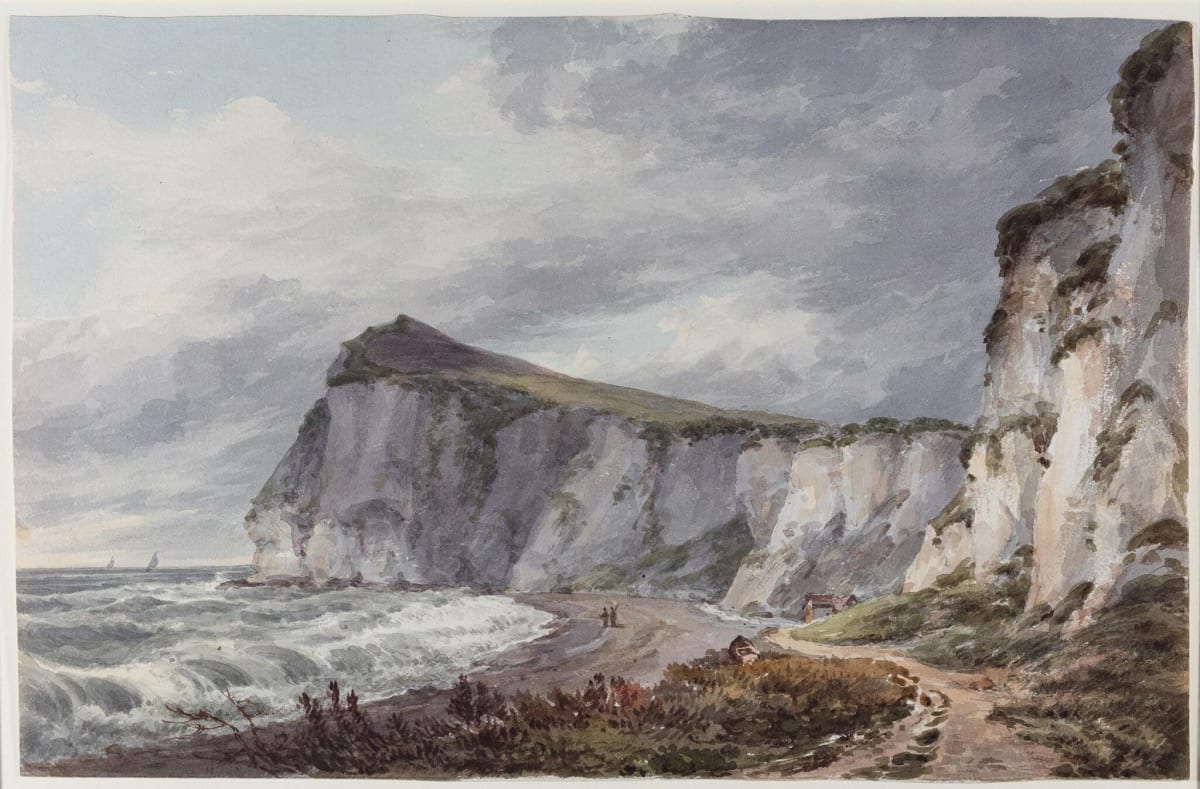
Kent’s chalk landscapes, from the White Cliffs of Dover to the North Downs, link deep geological time to powerful symbols of English identity. Writers and thinkers including Thomas Huxley, Kipling, H. E. Bates, and Dickens use chalk’s brightness, dust, and beech-clad slopes to frame science, travel, and social change in coastal and inland settings.

Dr Alyson Hunt introduces the east Kent coast of 19th century author and playwright, Wilkie Collins.

Prof. Max Saunders traces the Kent based early married life and works of novelist, poet and editor Ford Madox Ford (Brown).