
Dickens and Chatham
Dickens spent around 6 years in Chatham. The dockyard would have provided an exciting and at the same time familiar space for the child to explore, in the aftermath of the Napoleonic Wars.
Dickens spent around 6 years in Chatham. The dockyard would have provided an exciting and at the same time familiar space for the child to explore, in the aftermath of the Napoleonic Wars.

Dickens visited in: 1837, 1839-43, 1845, 1847, 1849-51, 1859. Publication(s) ‘Our Watering Place’ (1851), David Copperfield (1848-50). ‘Half awake and half asleep, this idle morning in our sunny ...

Charles Dickens lived in Kent between 1816 and 1822 and returned for holidays, before moving to Gad's Hill, near Rochester, for the last fourteen years of his life.
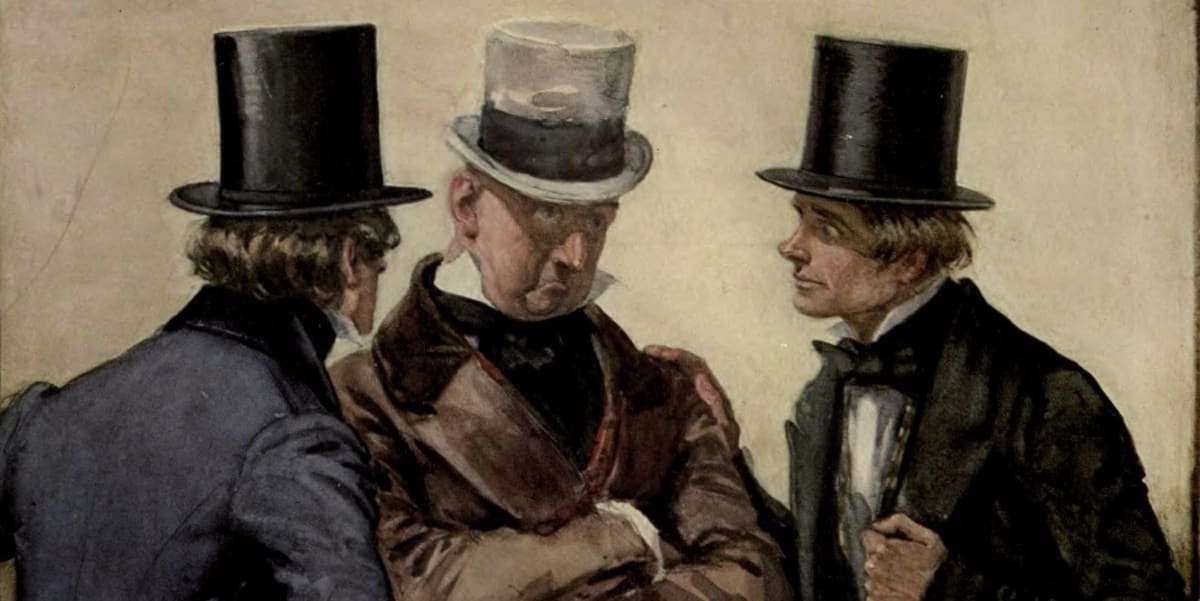
2 Nuckell’s Place in Broadstairs is now better known as the Dickens House Museum. Better still, as Betsey Trotwood’s cottage in David Copperfield. In the 20th century it was also the home of dramatist and Dickens festival organiser Gladys Waterer.
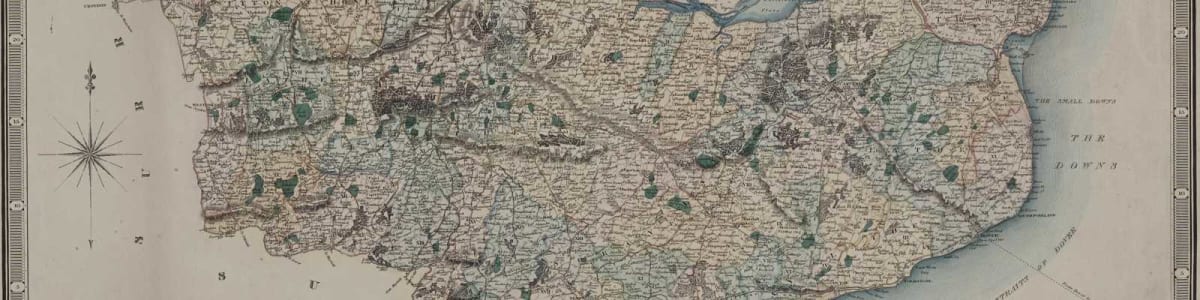
Dickens’s Dover Road in David Copperfield becomes a traceable corridor across Kent when early modern and nineteenth-century maps anchor the route from Canterbury to Dover. Comparing cartography with agricultural and coastal landscapes reconstructs likely travel conditions, from traffic levels and dust to shifting smells of hops, livestock, and sea air.
David Copperfield comes to understand his past by literally walking away from it. The difficult question of what home means – and where it might be – is explored through his symbolic journey from London to Dover.
David Copperfield's Canterbury setting galvanised local calls for a local branch of the Dickens Society. But Dickens's response to the city is more ambivalent than the novel suggests.
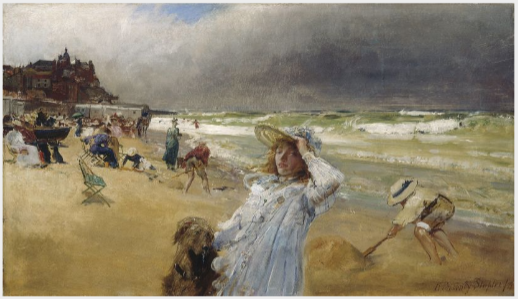
Despite being the favoured holiday destination of no less a figure than Charles Dickens, Broadstairs never aimed to compete with either the much-vaunted gentility of Ramsgate or the mass appeal of ...

Elizabeth Waterman-Scrase provides an intimate view of the London to Dover road trod by Dicken's David Copperfield's in their consideration of mid-19th century road building, improvement and traversing.
This visual essay by Jacqui Stamp discusses the mythical but enduring folk tradition of the early 19th century Hooden Horse in Kent.
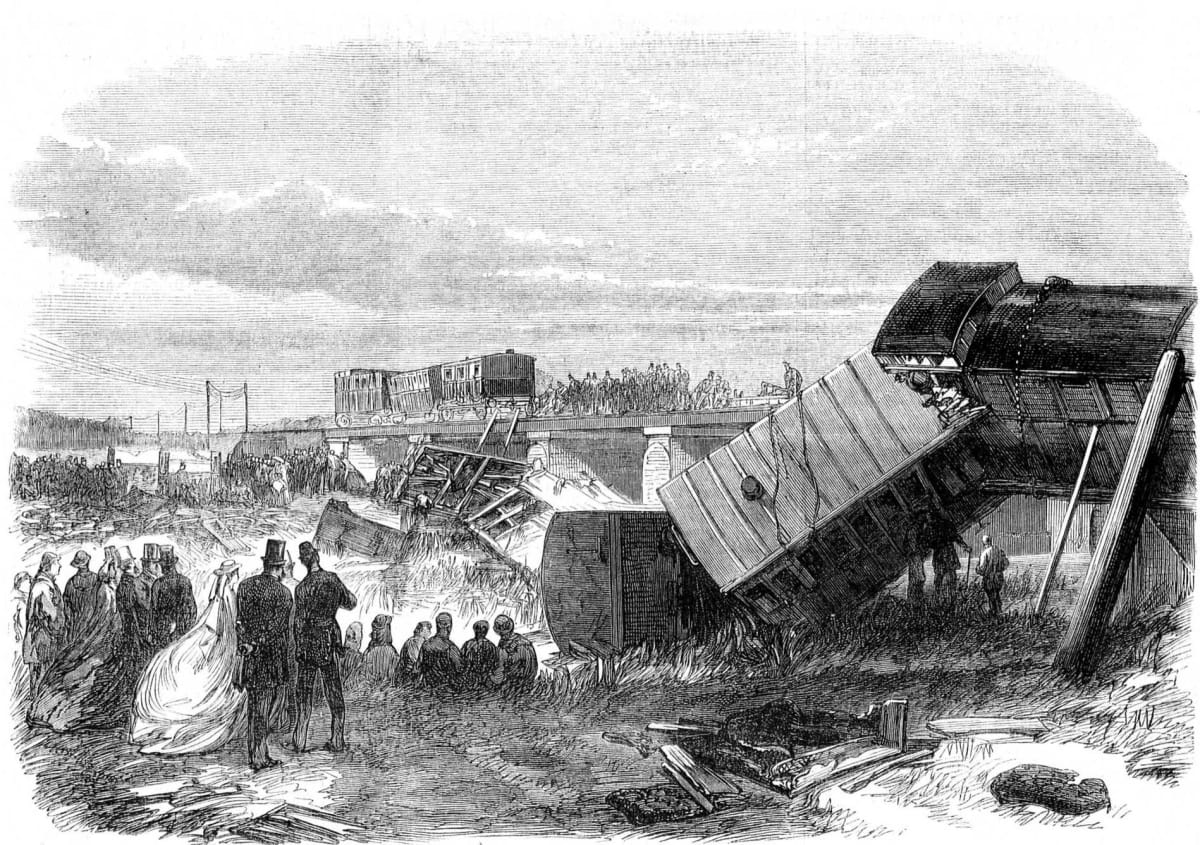
Dickens was involved in the Staplehurst railway disaster of 9 June 1865, when the tidal train from Folkestone was derailed by a partially repaired bridge. He carefully concealed the damaging detail that he had been travelling with Ellen Ternan and her mother.

The Goodwin Sands, about 7 miles off the coast of Broadstairs, were notoriously dangerous in stormy weather. Dickens vividly describes the impact of a storm in 1851, while he was staying in Broadstairs.