Dover in the 19th century
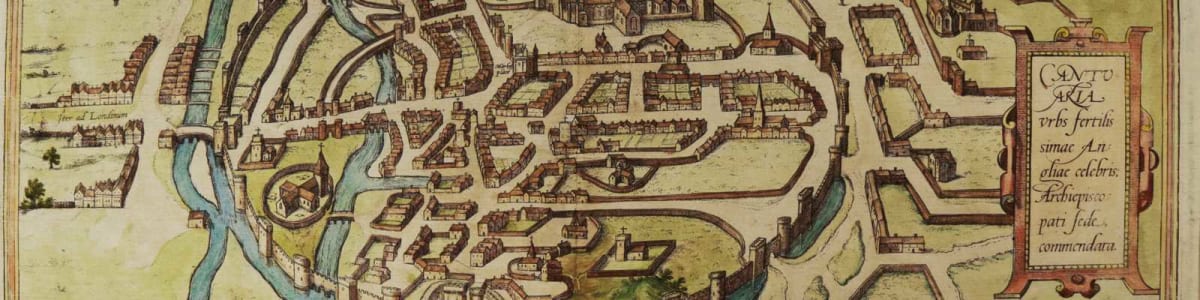
Dover’s primary function was as a channel port. But by the early 19th century the town also provided tourist facilities such as hot baths and bathing machines, circulating libraries, assembly rooms and a theatre.

Dover’s primary function was as a channel port. But by the early 19th century the town also provided tourist facilities such as hot baths and bathing machines, circulating libraries, assembly rooms and a theatre.

The murder of Thomas Arden in 1551 Faversham sparked a domestic tragedy that fused true-crime printing with early modern theatre and made local places central to dramatic meaning. Faversham Abbey, Arden’s house, the Fleur-de-Lis, the quay, and routes to Canterbury and Sheppey anchor debates about marriage, divorce, household governance, and social order, while disputed authorship and modern attribution studies keep the play’s status unsettled.
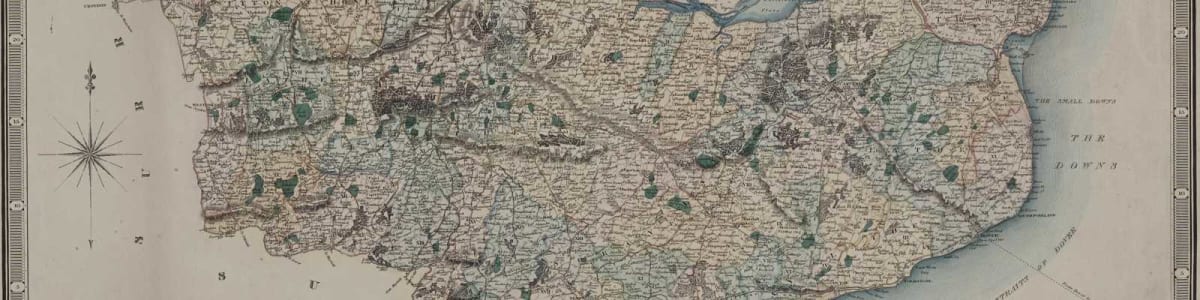
Sir John Franklin left Greenhithe in 1845 in search of the Northwest Passage. The subsequent disappearance of HMS Erebus and HMS Terror was widely reported in the British press. But Franklin’s death on 11 June 1847 was finally proved only in 1859, amid controversial rumours that the missing men had resorted to cannibalism.

Susan Civale discusses the many family visits to Kent of famous English novelist Jane Austen and how these might be reflected in her writing.

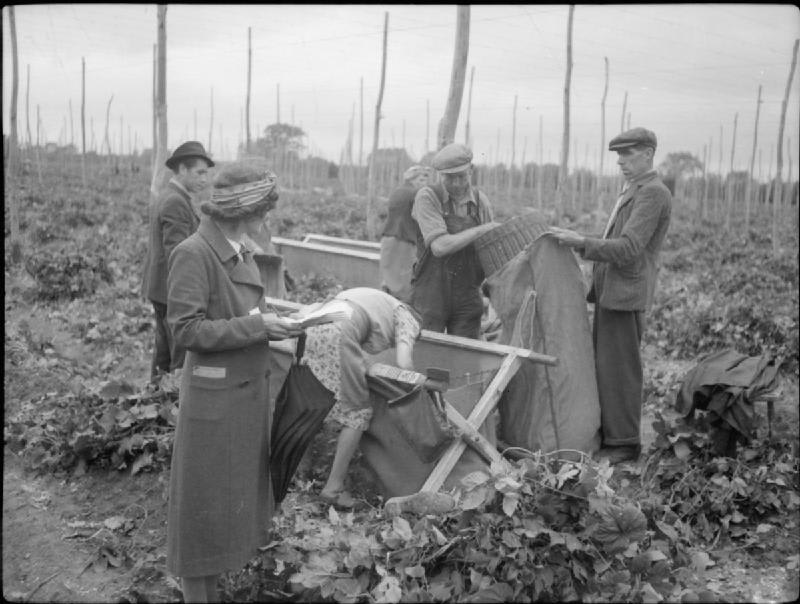
In this visual essay, Carolyn Oulton explores the role of the Kent hop picking culture in Nineteenth/Twentieth Century literature.