Juncture-home
Preview Image

William Pett Ridge (1859-1930)

William Pett Ridge’s Kent childhood in Chilham, Marden, and Paddock Wood shaped a writer who later chronicled London cockney life while keeping rural railways, hop-picking, and cricket in view. Railway work, self-education, and literary networks linked him to figures such as Charles Dickens, H.G. Wells, and Jerome K. Jerome as he moved from periodical sketches to prolific novel-writing. Vignettes from novels like Erb and Table d’hote show how Kent’s transport and seasonal work became narrative material even as his reputation faded after his death in 1930.
Preview Image

20th-Century Canterbury: Museums, Visitor Experience and the Cathedral

Twentieth-century Canterbury rebuilt its visitor economy around museums, heritage attractions, and a modernised welcome at the Cathedral as mass tourism expanded and access improved after the Channel Tunnel. Westgate, Eastbridge, the Beaney, the Marlowe Theatre, and St Augustine’s Abbey show how historic buildings were repurposed, curated, and branded to meet changing expectations of education, entertainment, and world-heritage pilgrimage.

Preview Image

Sherlock Holmes and Canterbury

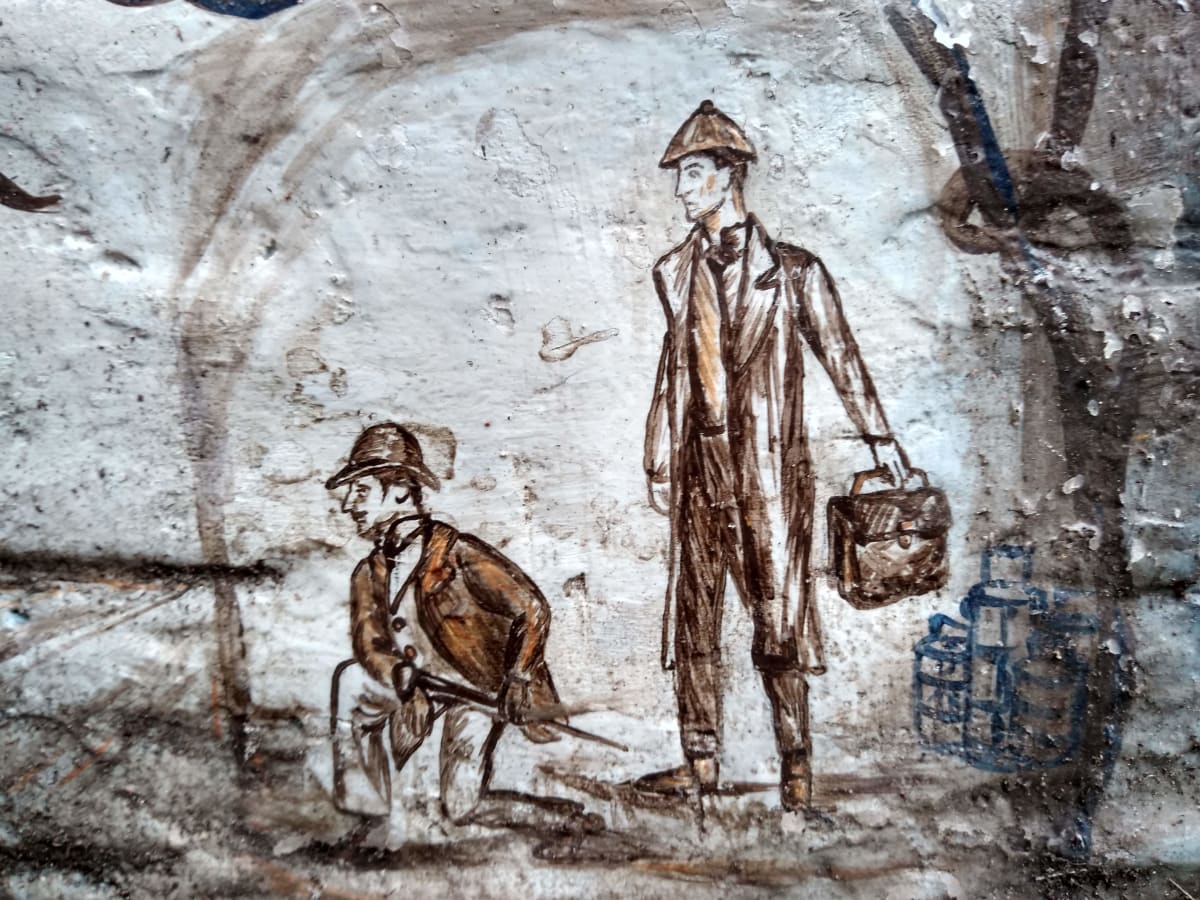
Canterbury appears briefly in Conan Doyle’s The Final Problem as a tactical stop on Holmes and Watson’s rail route from London toward Dover and continental Europe, highlighting the city’s role as a transit hinge rather than a dramatic setting. The essay contrasts this minimal textual presence with Sherlock Holmes’s large afterlife in English popular culture and heritage tourism, where the detective’s perceived reality grows through tours, adaptations, and material icons.