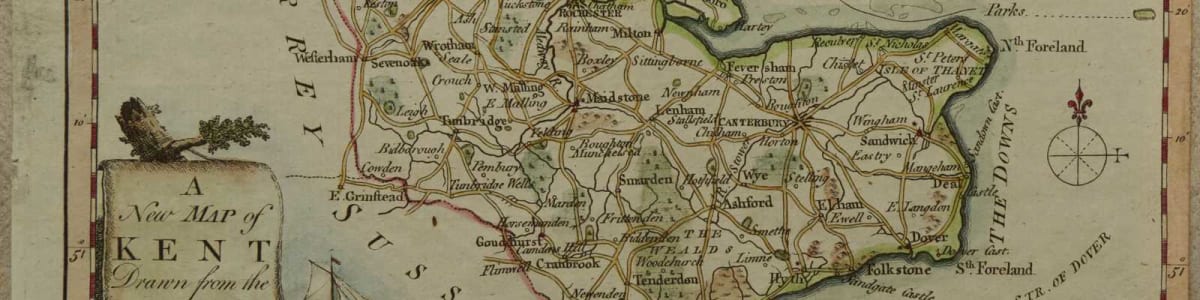
A Ramsgate Summer
‘The Sea-side’ was published anonymously in 1798. This epistolary poem portrays the pleasures to be had from ‘Summerising at Ramsgate’, as Simkin Slenderwit writes a series of letters to his mother.
‘The Sea-side’ was published anonymously in 1798. This epistolary poem portrays the pleasures to be had from ‘Summerising at Ramsgate’, as Simkin Slenderwit writes a series of letters to his mother.
The Margate hoy was the most popular way for passengers to reach the seaside from London. But it also provided a focus for concerns about indecorous behaviour and the threat of inter-status mixing.

Jane Welsh Carlyle’s 1861 letters from Ramsgate trace a sharp contrast between the East Cliff’s airy seaside promise and the town’s noise, smells, and crowded streets. Geraldine Jewsbury’s companionship, and their failed search for quieter lodgings in Broadstairs, highlight how friendship and sensory experience shaped Victorian resort travel and recovery. Jewsbury’s later move to Sevenoaks links these coastal impressions to longer-lived networks of women writers in Kent.
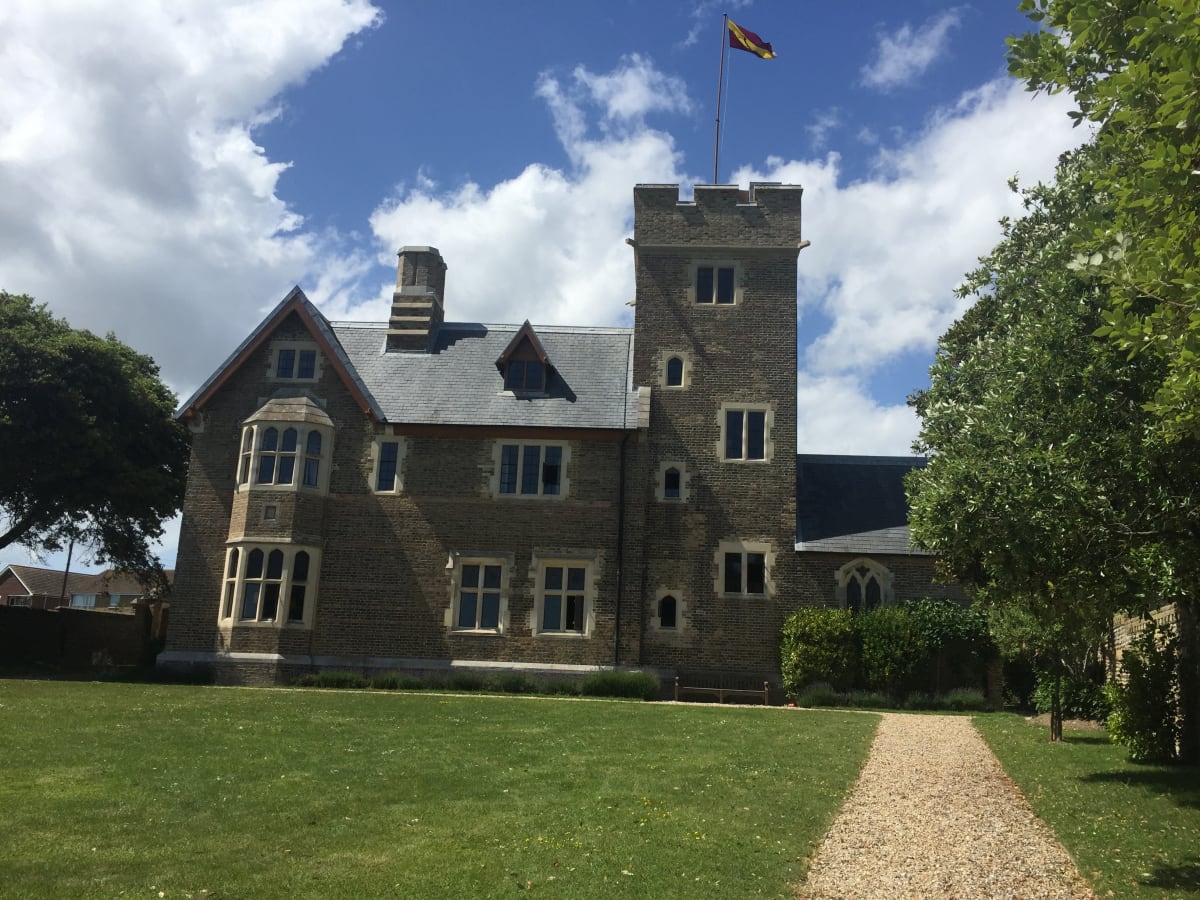
In this visual essay, Cat Blaker introduces the Ramsgate architecture and design of gothic revivalist, Augustus Pugin.
Richard Beau Nash shaped eighteenth-century Tunbridge Wells by enforcing a disciplined social code of balls, greetings, and fashionable display as Master of Ceremonies from 1735. His authority depended on personal charisma as much as civic power, helping recast the spa from a reputation for licentiousness toward respectable elite leisure.

Michelle Crowther details the Kent work of neo-gothic architect and designer, William ‘Billy’ Burges.
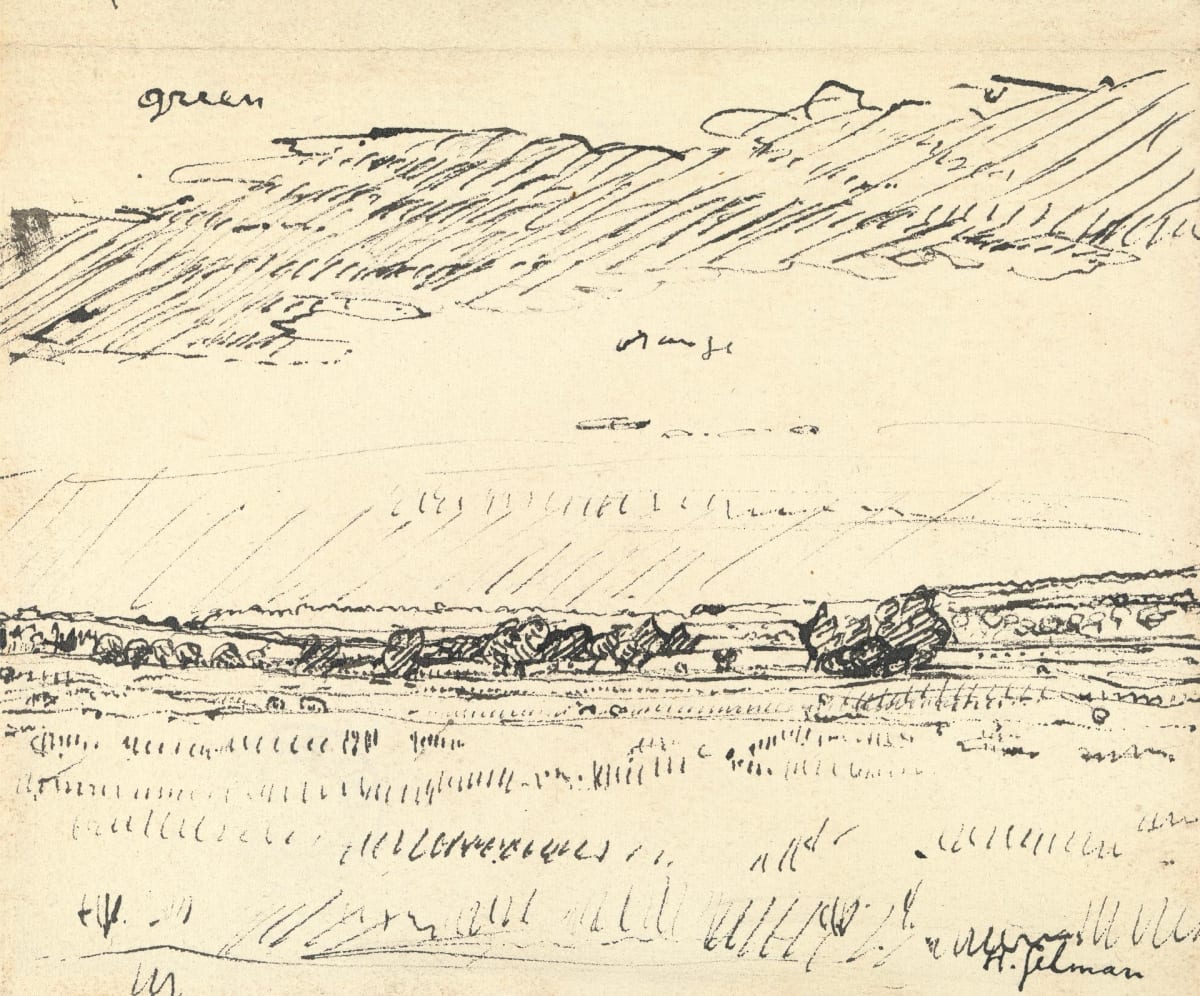
Romney Marsh shapes the setting and plausibility of a 1931 Golden Age detective novel, using its isolation, smuggling lore, and lost villages to sustain eerie, hidden crimes. First-hand visits, local expertise, and targeted reading turn the marshland landscape into an authentic narrative engine that links modern crime fiction to earlier works such as Doctor Syn.

Dr Andrew Palmer traces the Kent landscape in the war poetry of county native Siegfried Sassoon.
Charles Shadwell’s career links early eighteenth-century theatre, naval culture, and the patronage networks that ran through Kent. Deal and Dover shape The Fair Quaker of Deal through references to anchorage in the Downs, provisioning, taverns, prostitution, Quaker life, and debates about reform in the navy during the War of the Spanish Succession.

Lullingstone Roman Villa in the Darent Valley reveals Roman domestic luxury and early Christian practice through mosaics, marble busts, and a painted Chi-Rho chamber. Twentieth-century excavations led by Geoffrey Wells Meates and fellow volunteers show how wartime lives, local networks, and public talks shaped archaeological discovery and heritage in Kent.
Michelle Crowther presents a bibliography of Dover born and raised children's author Jessie Challacombe née Worsfold.

Alfred Moberly’s career links the Hythe School of Musketry, Victorian military life, and a body of sensation and periodical fiction that drew heavily on the Kent coast. Stories such as Lady Valeria and recurring place-names like Losthaven and Cinqhaven transform Hythe and Folkestone into imaginative settings shaped by seaside leisure, fog-bound rifle ranges, and middle-class drawing rooms. Critical reception and shifting publishing tastes help explain his faded reputation after the 1890s despite prolific shorter work.