Douglas William Jerrold (1803-1857)
A visual essay by Michelle Crowther, which introduces the life and work of dramatist and writer, Douglas Jerrold.

A visual essay by Michelle Crowther, which introduces the life and work of dramatist and writer, Douglas Jerrold.

Sue Boulden and Michelle Crowther present the social reform work of Reverend Hugh Price Hughes, Wesleyan minister in Dover from 1869.

Henry Russell’s career links the dockyards and Jewish community of Sheerness to transatlantic stages and Victorian popular song. Port life, synagogue culture, and shifting provincial Jewry shaped his early world, while later collaborations with writers such as Charles Dickens positioned his ballads within wider debates about politics, injustice, and migration.

Visual essay by Diana Hirst considering the early life in Kent of 'Queen of the Desert' Lady Hester Stanhope.

Michelle Crowther traces the often turbulent life and work of the author, Jessie May Aldington.

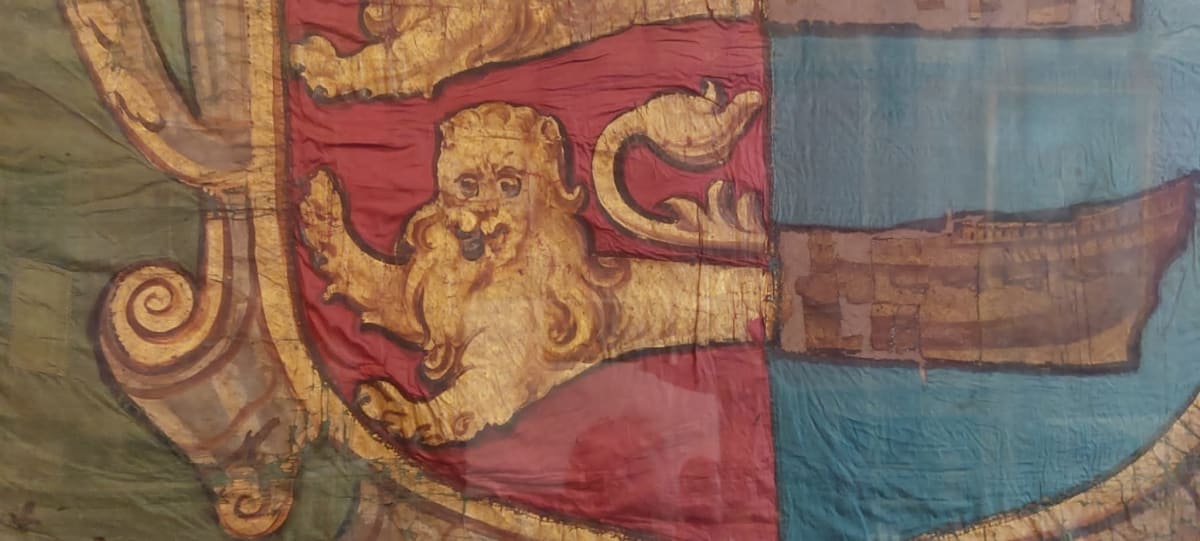
The Cinque Ports formed a medieval confederation of Kent and Sussex towns that exchanged ship service for royal privileges, binding places such as Sandwich, Dover, Hythe, and Romney into a shared maritime obligation. As the burden of supplying manned ships grew, additional limb towns contributed money or vessels, expanding the network beyond strictly coastal communities. Civic rituals like mayor-making and the election of bailiff and jurats anchored this identity from the 13th century until parliamentary reform in the 19th century.

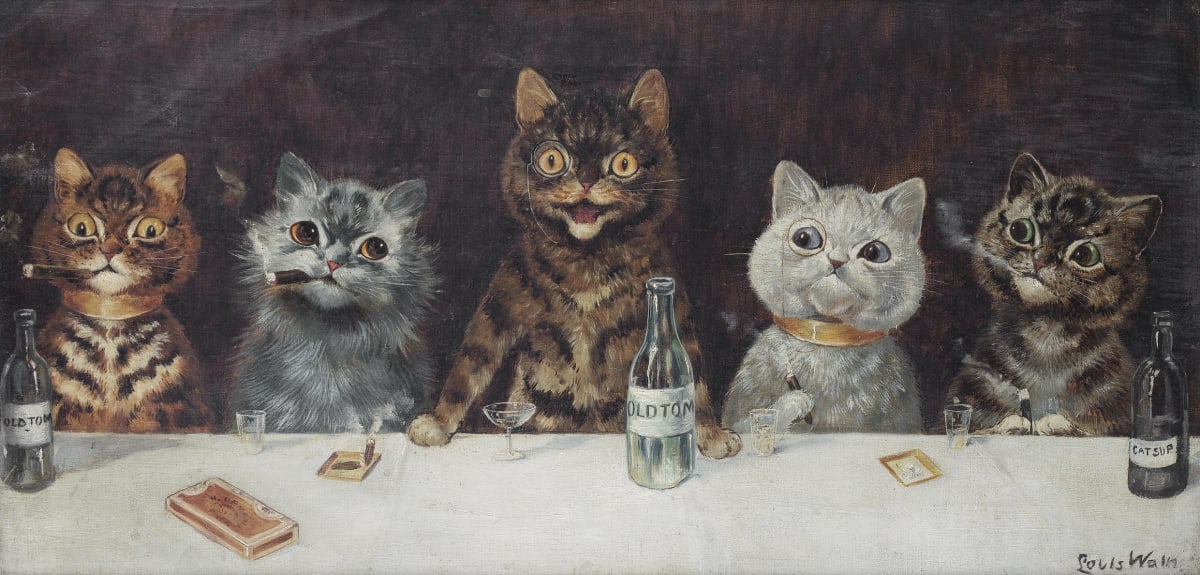
Louis Wain’s years in Westgate-on-Sea shaped a hugely popular commercial illustrator whose anthropomorphic cats became a late-Victorian and Edwardian cultural phenomenon. Family responsibility, precarious finances, and growing mental illness intersect with seaside sociability and mass print culture to frame his rise, struggles, and later institutionalisation.

This visual essay by Dr Alyson Hunt describes Hans Christian Andersen's visits to Charles Dickens and his publisher Richard Bentley in Kent.

Elizabeth Burgess’s life in Georgian Canterbury shows how one working woman built a public career across dressmaking, food selling, and print authorship. Newspaper adverts and theatre notices trace her movement through St Alphege and St George’s Street, linking local commerce and race-week entertainment to her comedy The Oaks and her later bestseller on the miser Betty Bolaine.

Michelle Crowther describes the 1850s Kent holidays of the author Mary Ann/Marian Evans better known by her pseudonym, George Eliot.

Peter Firmin’s The Winter Diary of a Country Rat turns the countryside between Howletts, Patrixbourne, and Canterbury into a walkable storyworld through illustrated maps and episodic encounters. Folklore, local landmarks, and animal narration show how storytelling makes wells, rivers, churches, and paths feel newly alive and invites readers to trace the route in the real landscape.
The Battle of Britain Memorial on the White Cliffs at Capel-le-Ferne commemorates the air campaign of July–October 1940 and the RAF and allied aircrew known as Churchill’s Few. Cliff-top defenses, earlier First World War airship operations, and later additions such as the Foxley-Norris Memorial Wall and the Wing visitor centre link the site’s landscape to wartime strategy and public remembrance.