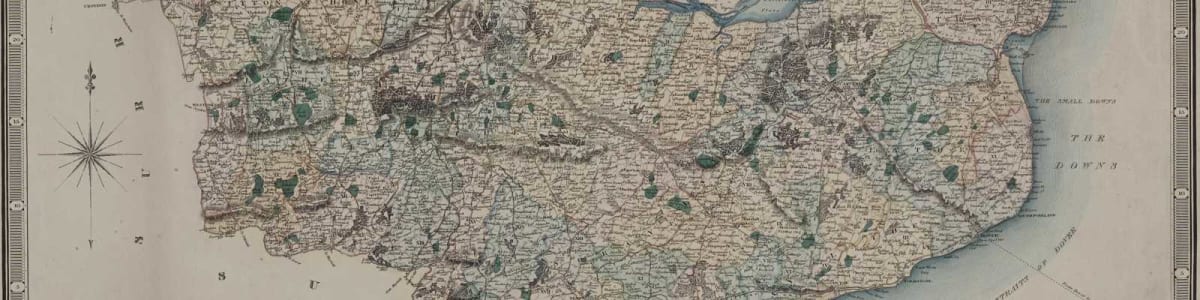
John Edensor Littlewood
Michelle Crowther introduces the life and work of esteemed mathematician and Kent native John Edensor Littlewood.
Michelle Crowther introduces the life and work of esteemed mathematician and Kent native John Edensor Littlewood.
This picture essay by Dr Ben Bethall presents an overview of built prisons and floating prison hulks in the county of Kent, England between 1808 and 1948.
A visual essay by Dr Ben Bethell discussing the 19th century Chatham prison and convicts.
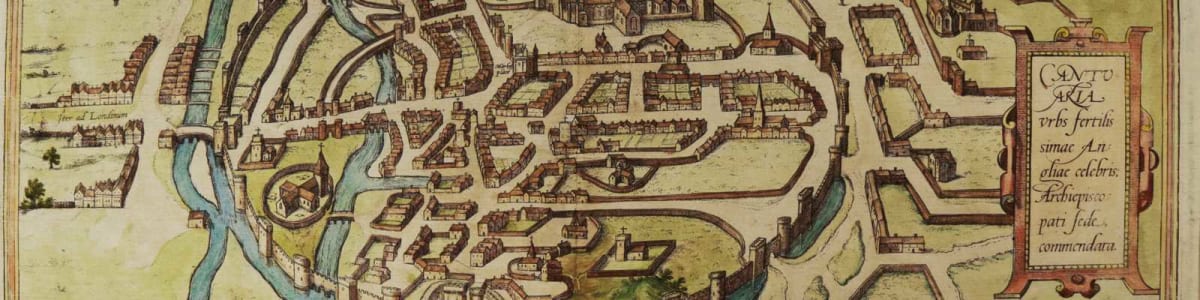
John Lyly’s career links Elizabethan court theatre, government polemic, and Kent’s towns from Rochester and Canterbury to Dover’s cliffs and castle. Prose romances and plays such as Euphues and His England and Mother Bombie turn local travel, trade references, and place-names into social observation while tracing his rise and decline amid shifting patronage and literary fashion.
Professor Carolyn Oulton introduces author William Makepeace Thackeray's Kent through his life, family and work.
A visual essay by Michelle Crowther, which introduces the life and work of dramatist and writer, Douglas Jerrold.
Sue Boulden and Michelle Crowther present the social reform work of Reverend Hugh Price Hughes, Wesleyan minister in Dover from 1869.
Henry Russell’s career links the dockyards and Jewish community of Sheerness to transatlantic stages and Victorian popular song. Port life, synagogue culture, and shifting provincial Jewry shaped his early world, while later collaborations with writers such as Charles Dickens positioned his ballads within wider debates about politics, injustice, and migration.
Visual essay by Diana Hirst considering the early life in Kent of 'Queen of the Desert' Lady Hester Stanhope.

Michelle Crowther traces the often turbulent life and work of the author, Jessie May Aldington.

The Cinque Ports formed a medieval confederation of Kent and Sussex towns that exchanged ship service for royal privileges, binding places such as Sandwich, Dover, Hythe, and Romney into a shared maritime obligation. As the burden of supplying manned ships grew, additional limb towns contributed money or vessels, expanding the network beyond strictly coastal communities. Civic rituals like mayor-making and the election of bailiff and jurats anchored this identity from the 13th century until parliamentary reform in the 19th century.
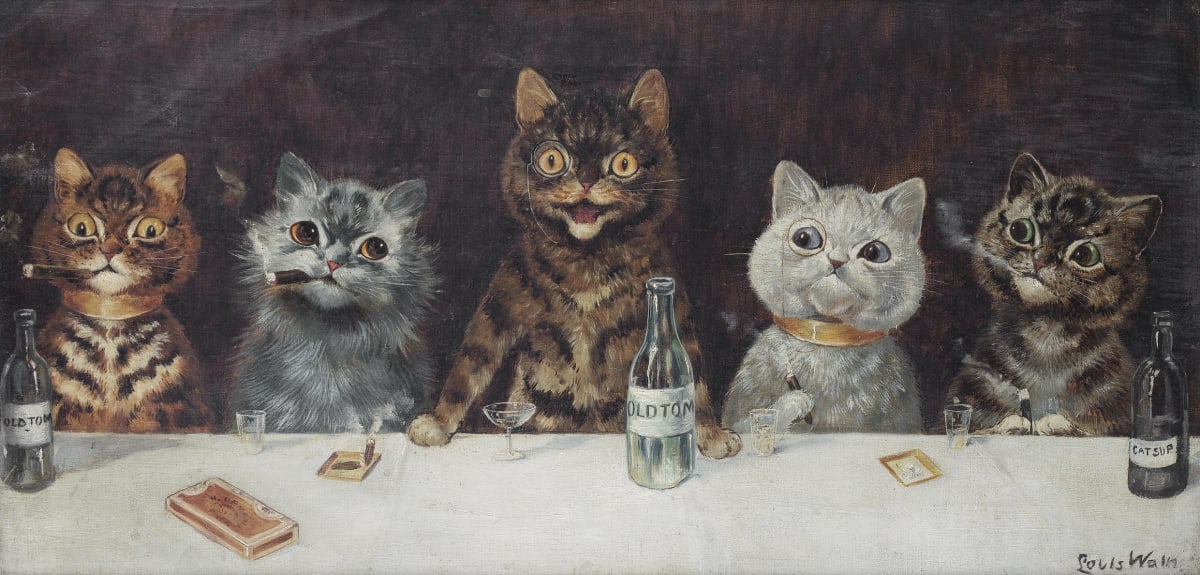
Louis Wain’s years in Westgate-on-Sea shaped a hugely popular commercial illustrator whose anthropomorphic cats became a late-Victorian and Edwardian cultural phenomenon. Family responsibility, precarious finances, and growing mental illness intersect with seaside sociability and mass print culture to frame his rise, struggles, and later institutionalisation.