Hans Christian Anderson
This visual essay by Dr Alyson Hunt describes Hans Christian Andersen's visits to Charles Dickens and his publisher Richard Bentley in Kent.
This visual essay by Dr Alyson Hunt describes Hans Christian Andersen's visits to Charles Dickens and his publisher Richard Bentley in Kent.
Elizabeth Burgess’s life in Georgian Canterbury shows how one working woman built a public career across dressmaking, food selling, and print authorship. Newspaper adverts and theatre notices trace her movement through St Alphege and St George’s Street, linking local commerce and race-week entertainment to her comedy The Oaks and her later bestseller on the miser Betty Bolaine.

Michelle Crowther describes the 1850s Kent holidays of the author Mary Ann/Marian Evans better known by her pseudonym, George Eliot.

Peter Firmin’s The Winter Diary of a Country Rat turns the countryside between Howletts, Patrixbourne, and Canterbury into a walkable storyworld through illustrated maps and episodic encounters. Folklore, local landmarks, and animal narration show how storytelling makes wells, rivers, churches, and paths feel newly alive and invites readers to trace the route in the real landscape.

The Battle of Britain Memorial on the White Cliffs at Capel-le-Ferne commemorates the air campaign of July–October 1940 and the RAF and allied aircrew known as Churchill’s Few. Cliff-top defenses, earlier First World War airship operations, and later additions such as the Foxley-Norris Memorial Wall and the Wing visitor centre link the site’s landscape to wartime strategy and public remembrance.

In this visual essay, Dr Simon Wilson presents the life and works of kent author Jocelyn Brooke.

Amber Potter traces the life of early 16th century prophetess Elizabeth Barton: the Maid of Kent.
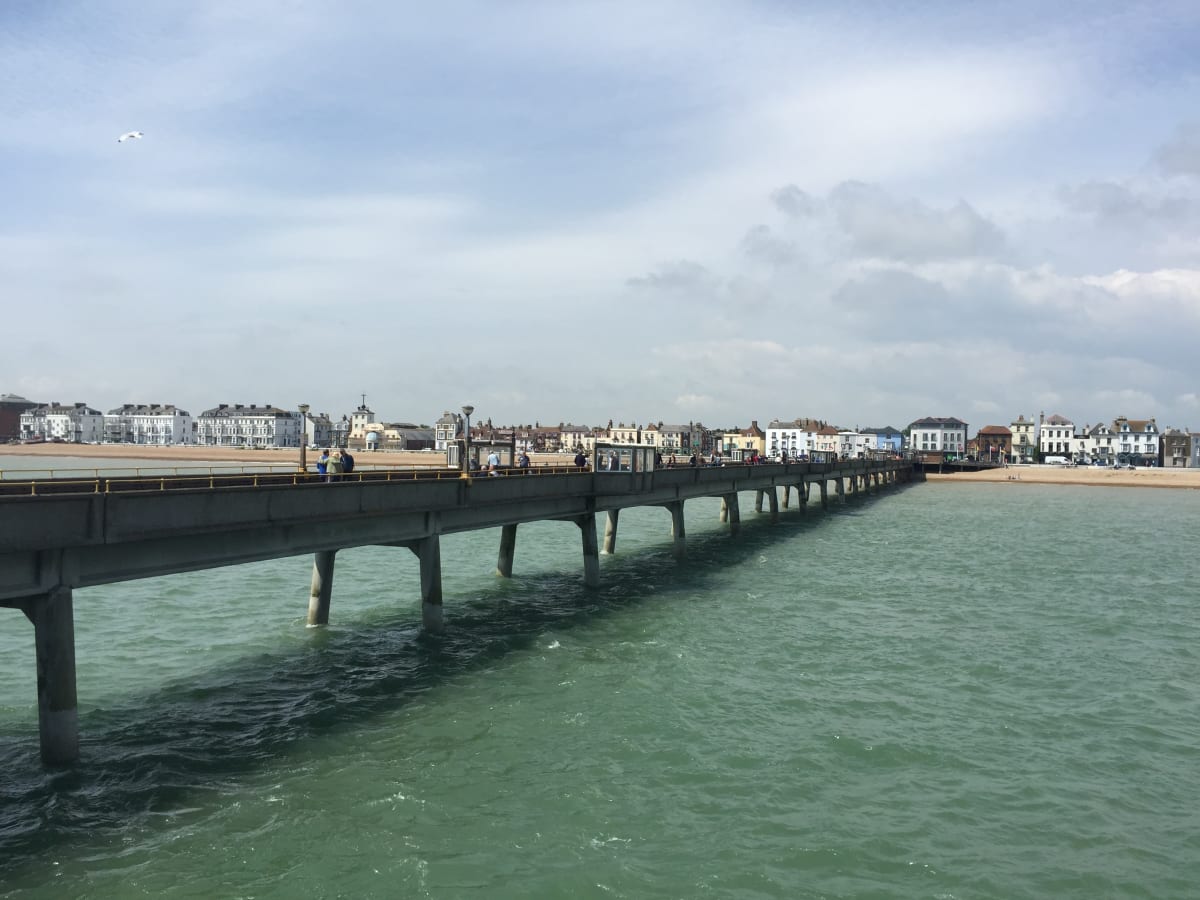
Deal seafront and pier become a shifting register of tide, weather, and light, observed from a quiet window that turns the coast into a series of framed panels. Maritime traffic, Goodwin Sands, and distant French lights punctuate the scene and sharpen the poem’s attention to pattern, colour, and motion along the Channel edge.

Daniel Vince considers the early 20th century years Noël Coward lived in Kent and his works created there.

Michelle Whitham traces British Prime Minister Winston Churchill's long association with Kent, particularly his country house of Chartwell.
Edward Linley Sambourne’s career as a Punch cartoonist intersects with Kent’s seaside resorts through holidays, friendships, and public events in Thanet, Ramsgate, Margate, Dover, and Folkestone. Diaries, travel details, and photographic practice reveal how railway mobility and leisure landscapes fed his satirical work while also exposing a troubling pattern of voyeuristic image-making.

Michelle Crowther traces the life and work of historical fiction writer Nora Geraldine Gordon Salmon (pseudonym J.G. Sarasin).