
R. Austin Freeman (1862-1943)
R. Austin Freeman is believed to have invented the ‘inverted’ crime story, although fellow crime writer Julian Symons likened reading his work to chewing dry straw.
R. Austin Freeman is believed to have invented the ‘inverted’ crime story, although fellow crime writer Julian Symons likened reading his work to chewing dry straw.
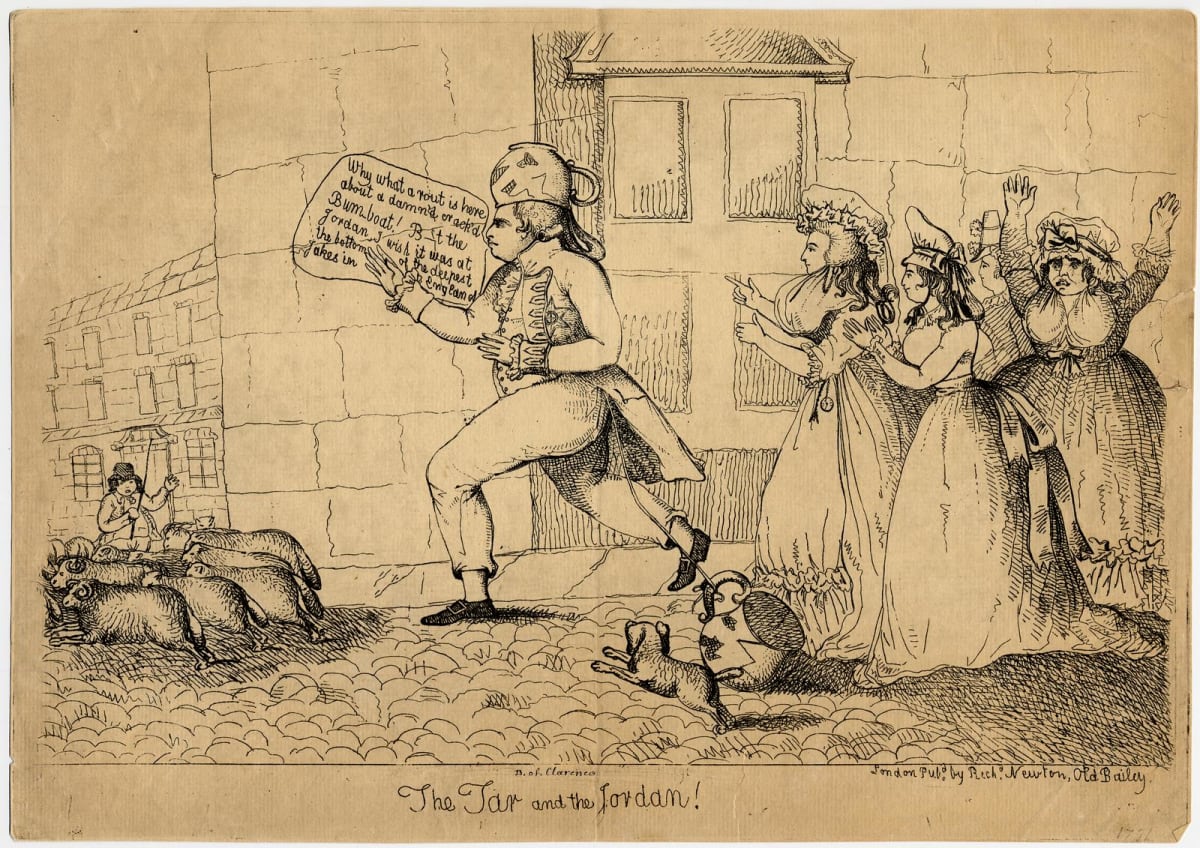
Michelle and Martin Crowther trace the Kent performances of the famous early nineteenth-century actress Dora Jordan.
Bethia Carter explores the writing of Charles Dicken's 1875 novel 'A Tale of Two Cities' in Kent and how the county features in the story.

A number of writers of the Edwardian era and the years between the World Wars chose to depict Romney Marsh in their work

My first encounter with Great Expectations was as an eleven year old, watching the 1946 David Lean film in a school hall. I was spellbound and terrified in equal measure as Magwitch appeared from behind the tomb to menace the young Pip. I was there, I was Pip.
Dr Martin Watts looks at the implementation of the 1864 Contagious Diseases Act which targeted women in the docks and garrison towns of Kent.

Author and artist Mary Tourtel, who is best known for creating and illustrating the Rupert Bear comic strip, lived and studied in Canterbury.
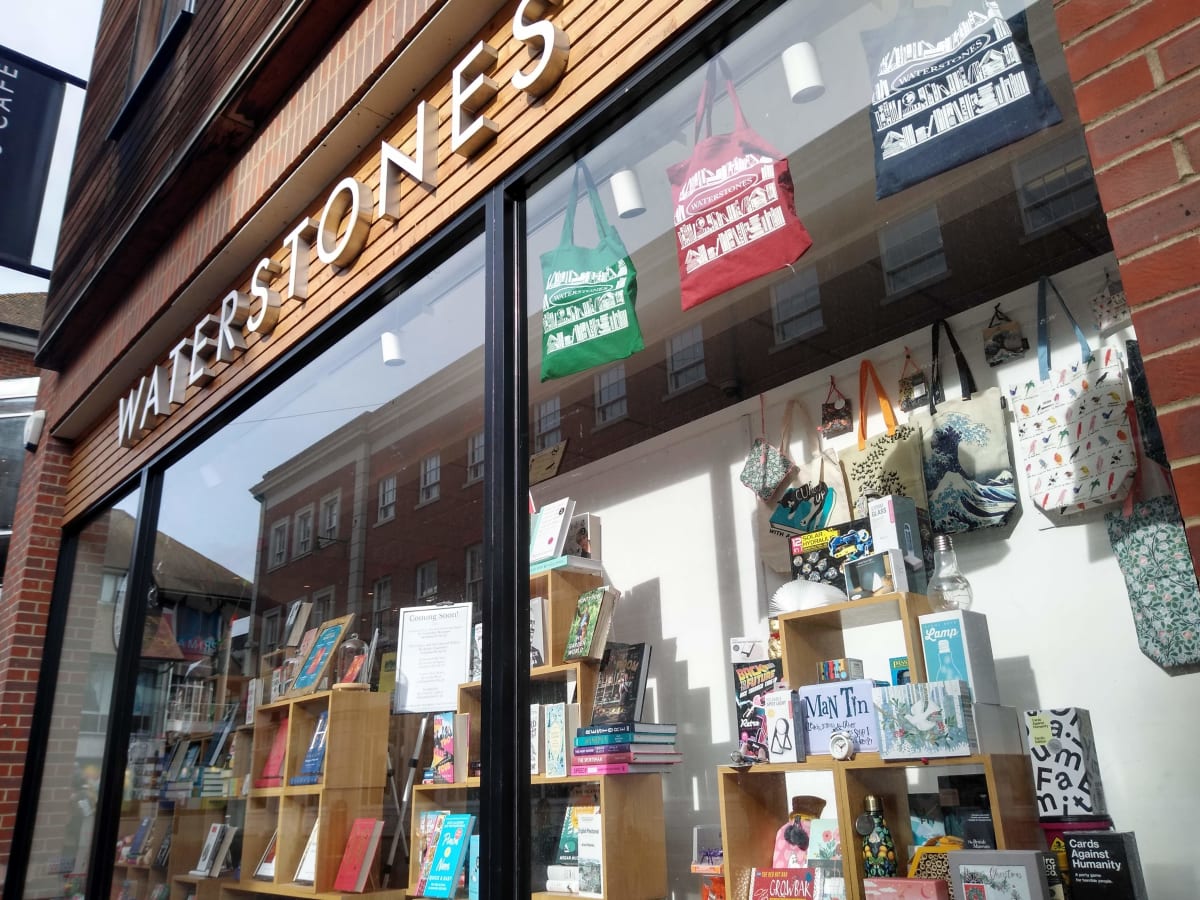
Waterstones in Canterbury became a civic hub for books, visitors, and public conversation between 1990 and 2020, binding a chain-store frontage to the city’s long literary afterlife. Author talks, café culture, and serendipitous encounters with writers, politicians, and spiritual figures reveal how a bookshop staged global tourism and local identity while even reshaping the built past through the Roman bath-house excavation.
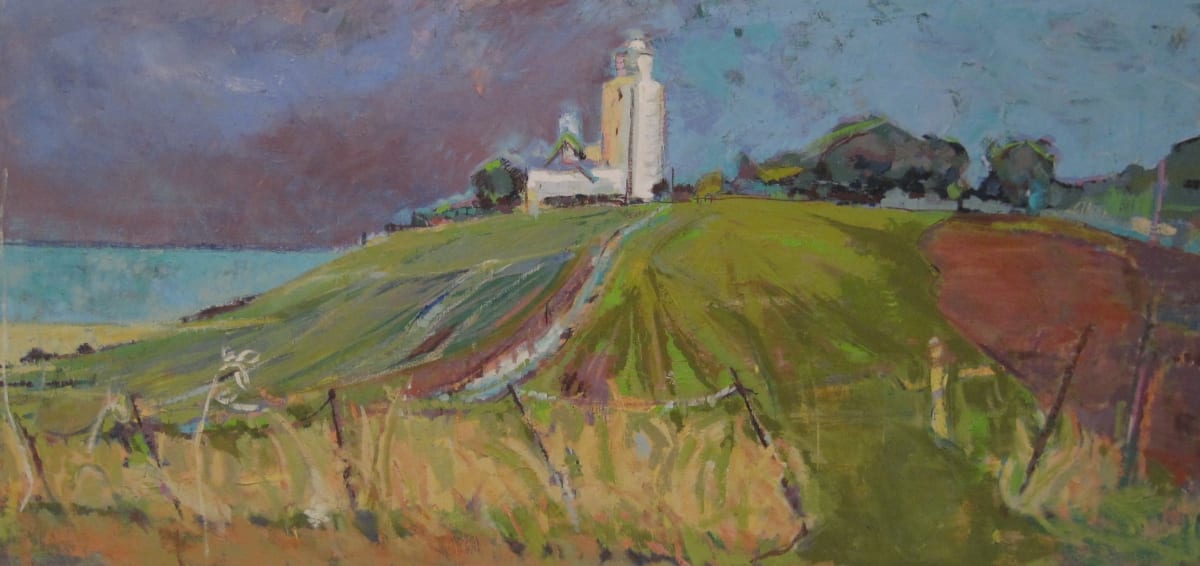
Covid-19 reshaped student life in Canterbury in 2020–21, turning a bustling university city into a landscape of empty shops, restricted movement, and screen-based socialising. Lockdown routines redirected everyday experience toward parks, cathedral grounds, and repurposed buildings such as the Odeon vaccination centre, altering student identity and the city’s social economy.
Artist Marian Peck collaborated with Salmon Postcards to produce a series of illustrated maps covering areas of Britain, including Kent and Northeast Kent. These were sold as postcard maps in the mid-1960s.

Somerset Maugham was educated at the King’s School in Canterbury. His ambivalence about both the school and his time living with his uncle in Whitstable appear in his fiction, where the towns are disguised as Tercanbury and Blackstable respectively.
William Henry Longhurst built a seven-decade musical career at Canterbury Cathedral, moving from chorister to organist while composing sacred and secular vocal works published by major London firms. His modest but durable output, alongside local music-education efforts and unprinted club pieces, shows how provincial cathedral music connected to national publication networks and wide subscriber geographies.