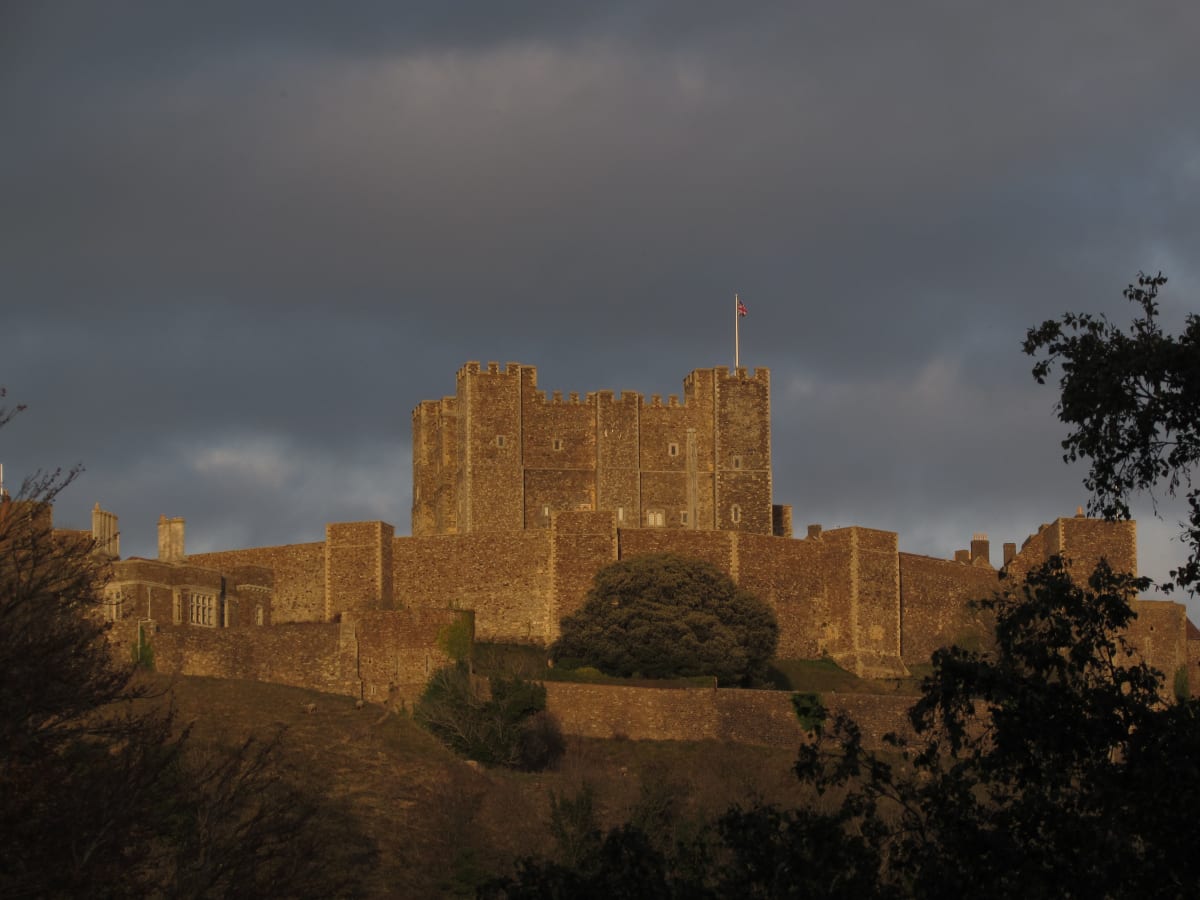
Dover Castle in the Medieval and Early Modern Periods
The foundations of Dover Castle were built by the Romans. It maintained its military importance until World War 2, playing a vital role in Operation Dynamo (the evacuation of Dunkirk).
The foundations of Dover Castle were built by the Romans. It maintained its military importance until World War 2, playing a vital role in Operation Dynamo (the evacuation of Dunkirk).

Alluvia is a sculpture created by Jason de Claires. It is located in the River Stour in Canterbury, near the Westgate Bridge. The title refers to the alluvial particles of sand which change during the differentiating water levels. With reeds, algae and sand changing, Alluvia will change too. The aim of the sculpture is to link contemporary public art to conservation.

While Galsworthy never lived in Kent, he visited both Joseph Conrad and H. G. Wells from the 1890s. In a nod to the country’s attractions, a character from The Forsyte Saga is sent to Broadstairs to recover from a broken love affair.
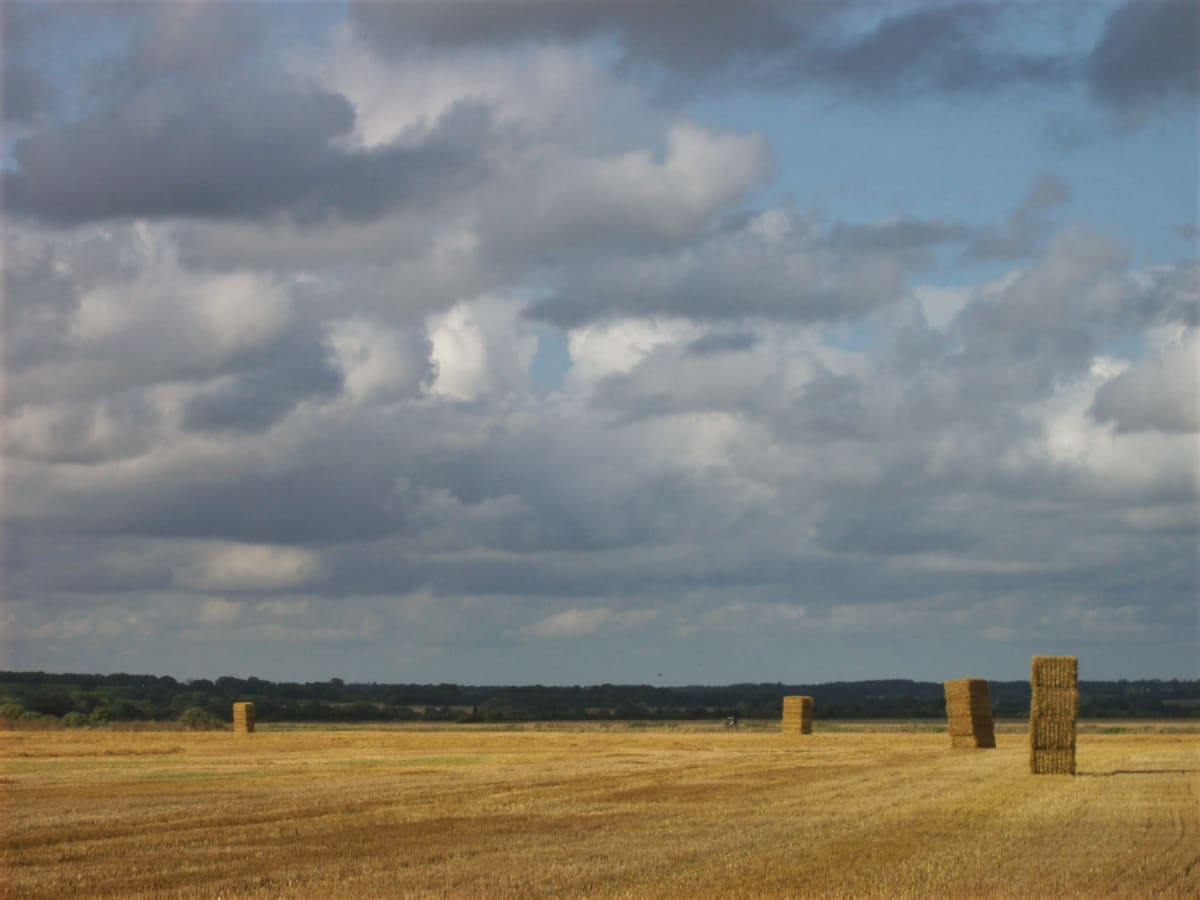
Romney Marsh was a key landing site in Hitler’s invasion strategy. Due to its strategic location, the Romney Hythe and Dymchurch Railway (RHDR) was requisitioned by the War Department. Meanwhile thousands of pillboxes were constructed across the Marsh and coastline. These defences were manned by the Local Defence Volunteers – later renamed the Home Guard.
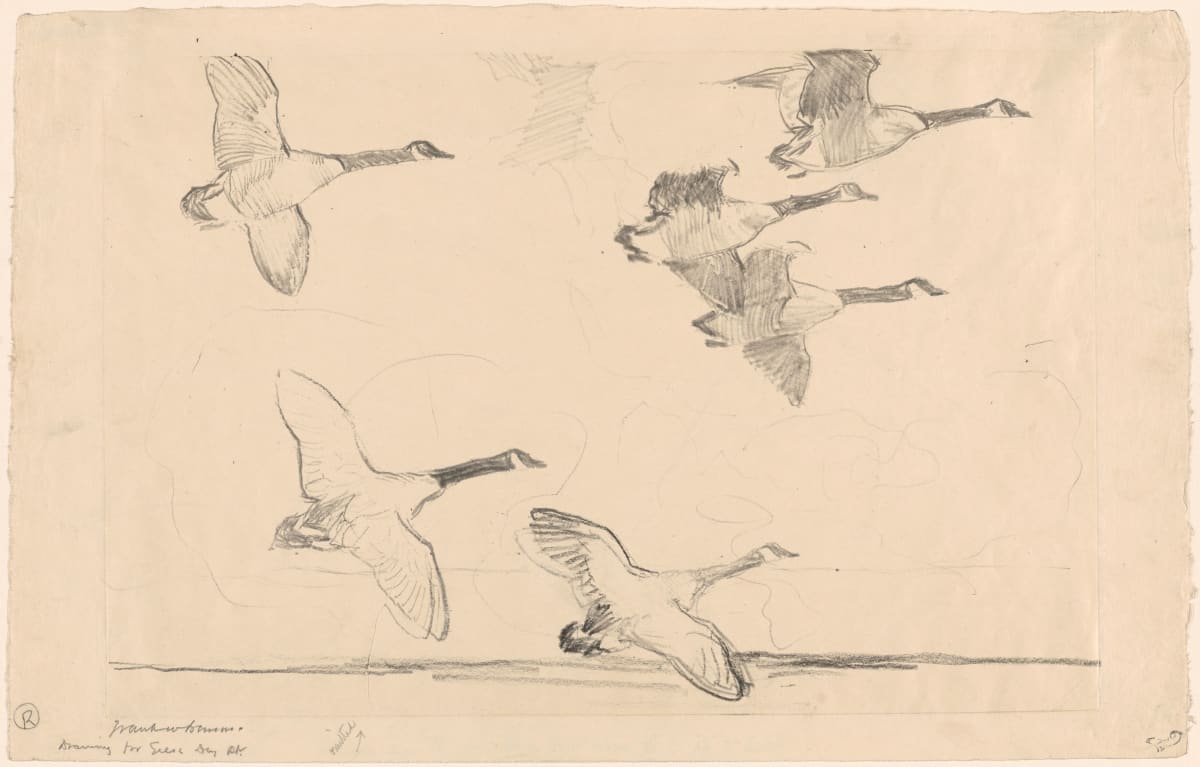
A sensory walk through the seasons takes in the natural and built environment. The poem follows the road from Saxon graves to Judd’s Cottages, directing the reader’s gaze to honeybees and larks, woods and oaks.
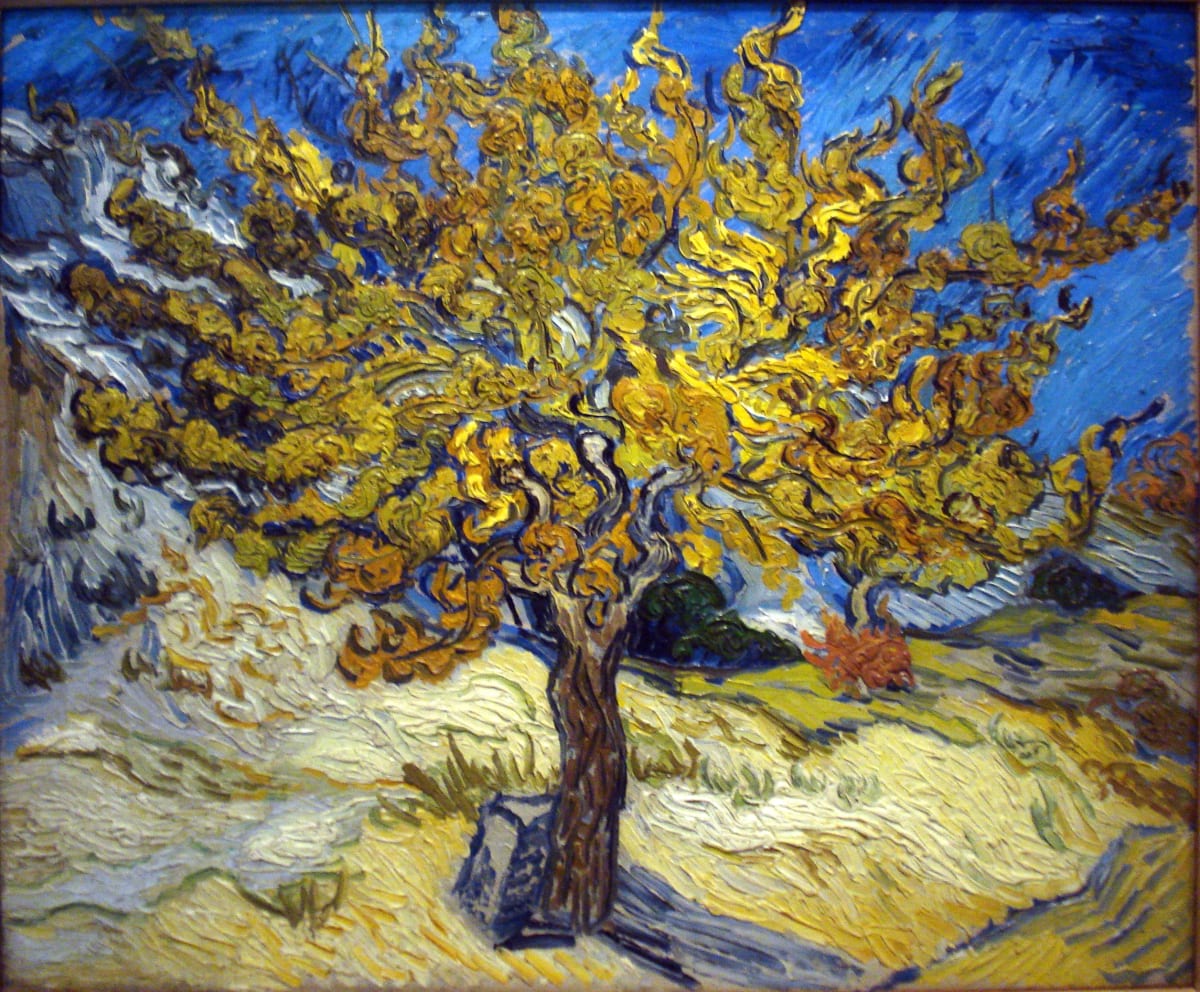
Mulberry trees in a Kent garden set a scene of dawn light, dew-wet grass, and fruit-stained hands, where sensual detail turns a simple breakfast into ritual. Heart-shaped leaves and ripening berries anchor a meditation on pleasure, touch, and the brief freshness of morning.
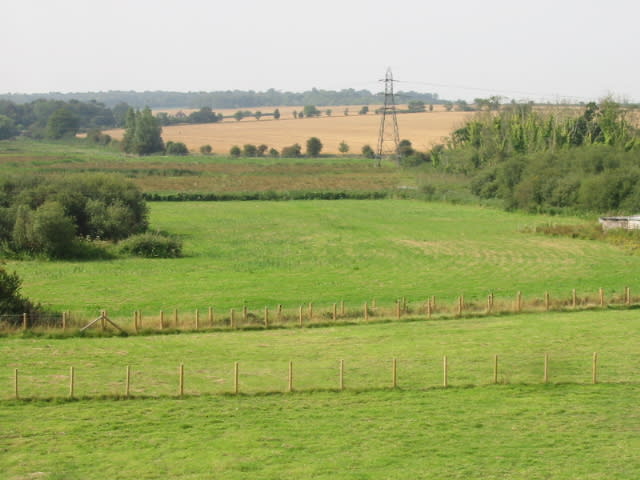
Ham Brooks becomes a remembered home landscape where chalk, flint, harvest fields, and marsh water shape a speaker’s sense of belonging. Vivid images of larks, peewits, damselflies, and streams turn walking into a paradox of being both rooted and free, tying bodily identity to East Kent’s wetlands and farmland.
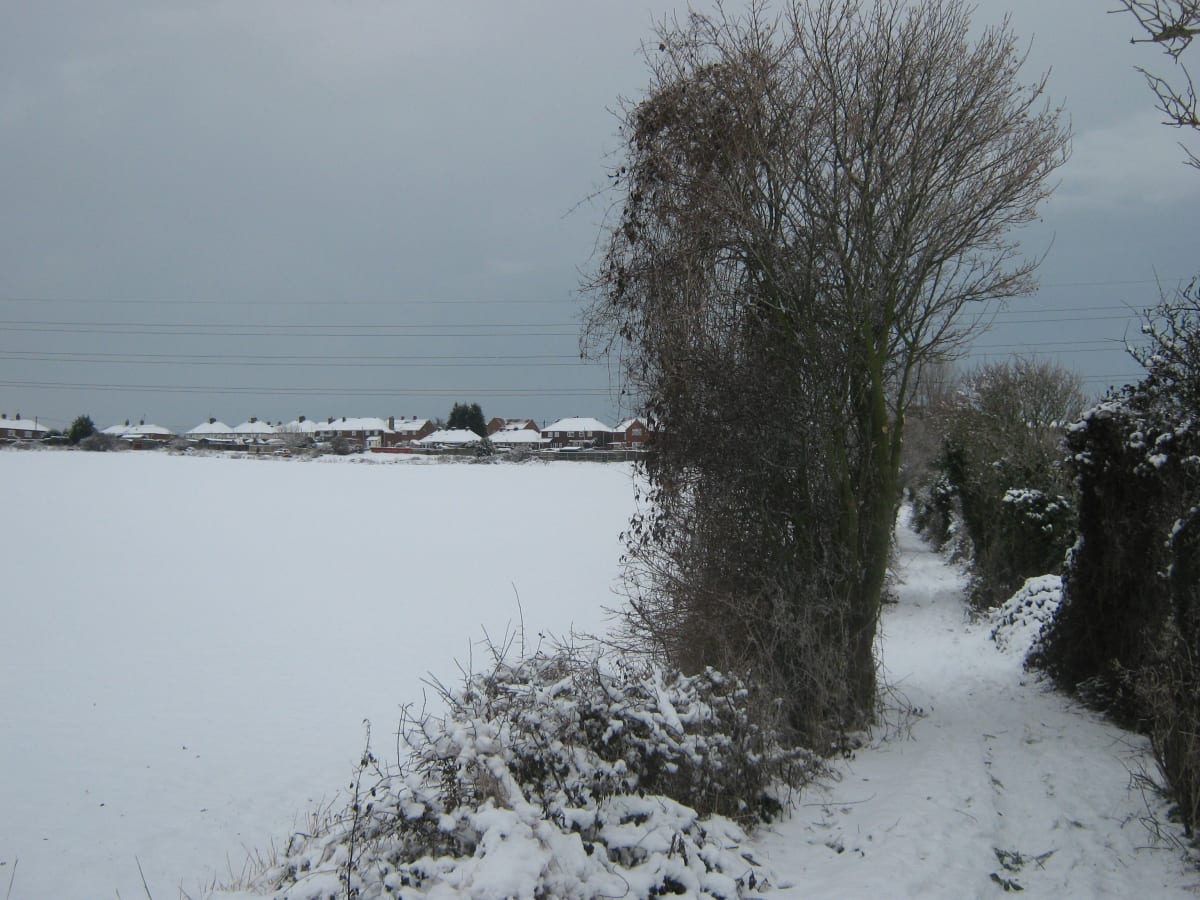
A winter walk home from Eastry across Thanet and Pegwell Bay turns snow, wind, and farmland into a vivid map of place and feeling. Marsh, lane, and sheltered trees shape how the storm moves, making local landmarks and remembered routes carry the weight of homecoming.
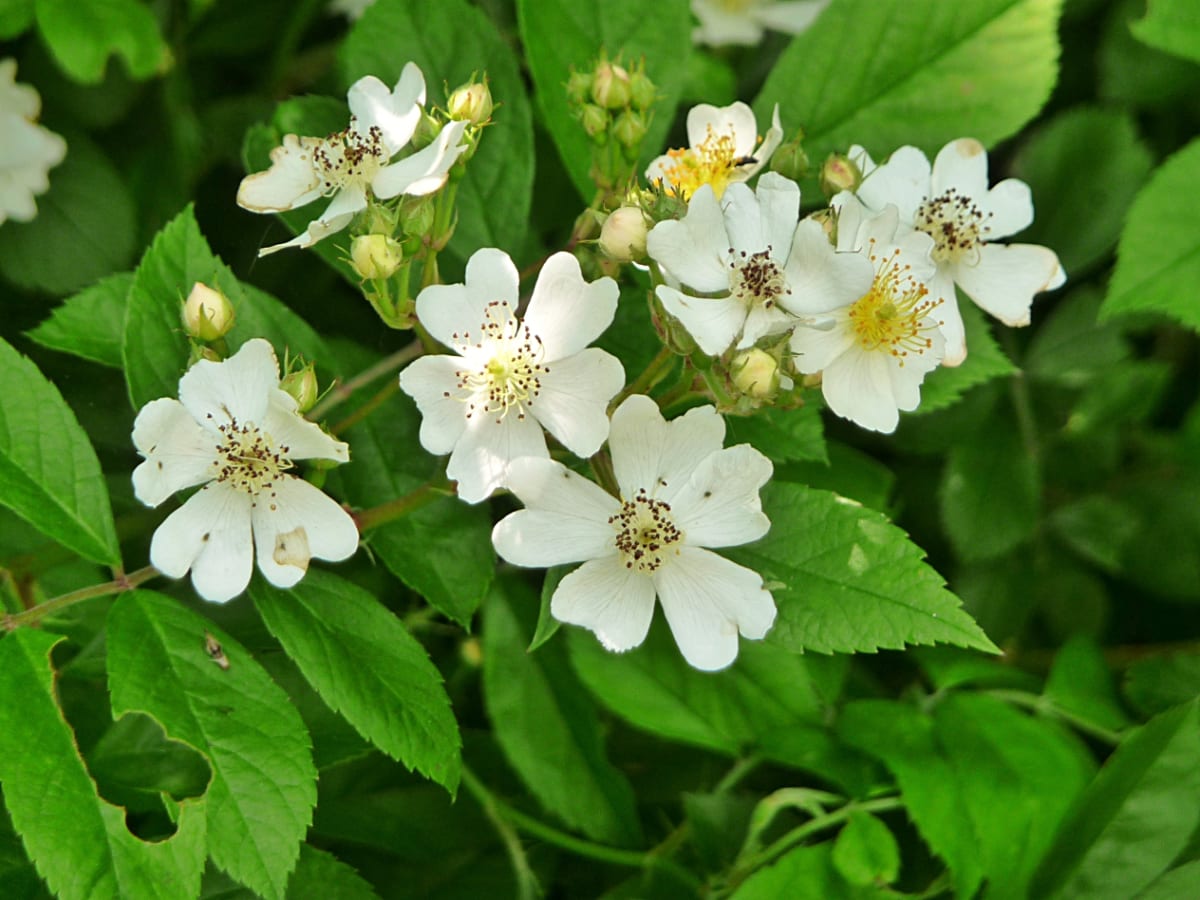
A garden back path in Wingham anchors a poem that tracks seasonal abundance turning into frost, rot, and silence. Close attention to flowers, scent, and decaying leaves builds a meditation on aging and loss, ending with a shut door and unanswered knock.

The Wright brothers made their pioneering flight in 1903, but failed to secure backing from either British or American governments. In 1908, members from the Aero Club realised the potential of flying machines and secured a crucial collaboration with the Short brothers to build and test aircraft in Sheppey.

This article discusses Guglielmo Marconi's links with Dover

Florence Nightingale’s interventions in Kent linked wartime medical crisis to lasting reforms in military and naval hospital care at Chatham’s Fort Pitt and related institutions. Visits in 1857 exposed poor sanitation and staffing, prompting the creation and improvement of the Army Medical Practical School and shaping pavilion-plan hospital design, while later stays at Ramsgate show the limits of sea-air therapy amid continuing public-health activism.