Goodwin Sands
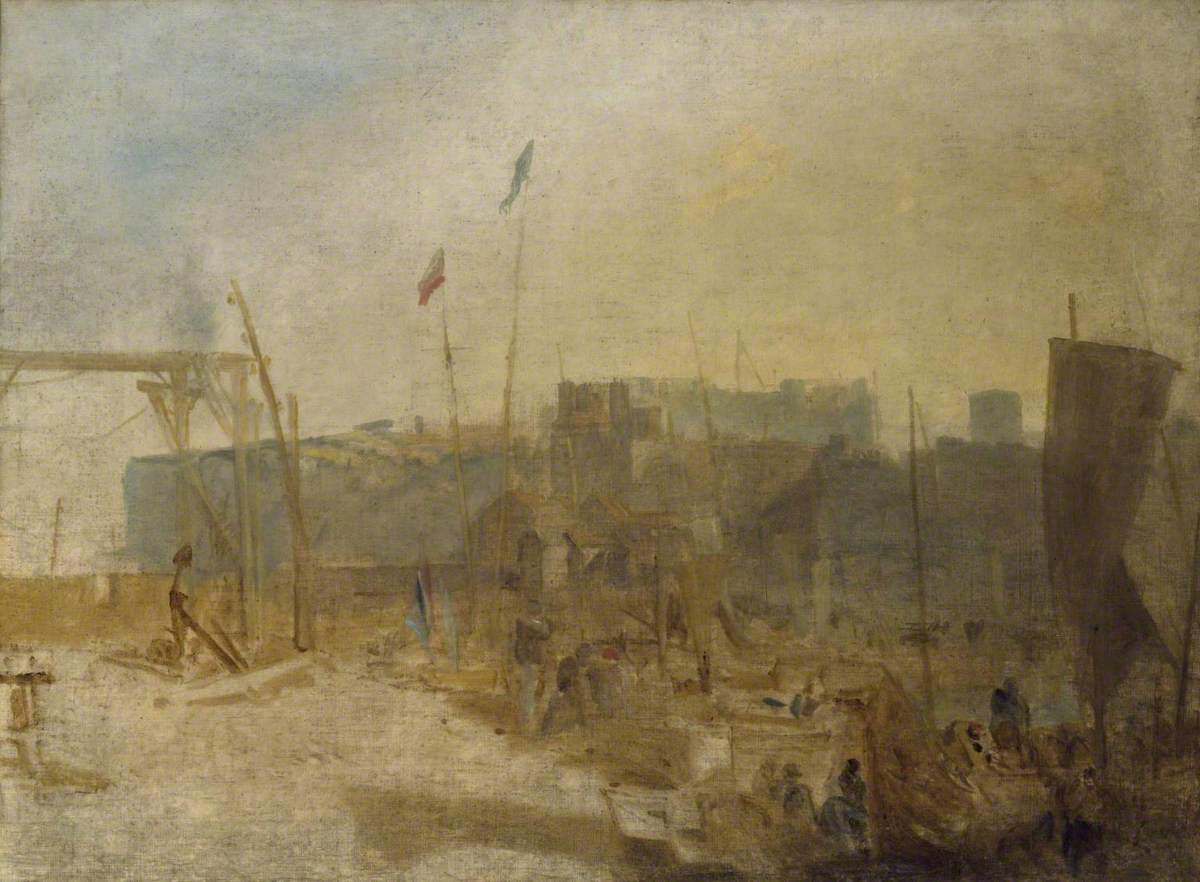
The Goodwin Sands, about 7 miles off the coast of Broadstairs, were notoriously dangerous in stormy weather. Dickens vividly describes the impact of a storm in 1851, while he was staying in Broadstairs.

The Goodwin Sands, about 7 miles off the coast of Broadstairs, were notoriously dangerous in stormy weather. Dickens vividly describes the impact of a storm in 1851, while he was staying in Broadstairs.

William Harrison Ainsworth emerges as a prolific nineteenth-century writer whose Gothic romance Rookwood links literary celebrity to Kent through Canterbury and the Newgate fascination with crime. The essay traces Ainsworth’s circles with figures like Dickens and shows how his portrayal of the self-styled Knight of Malta draws on the real John Nichols Thom and the Bossenden Wood uprising.
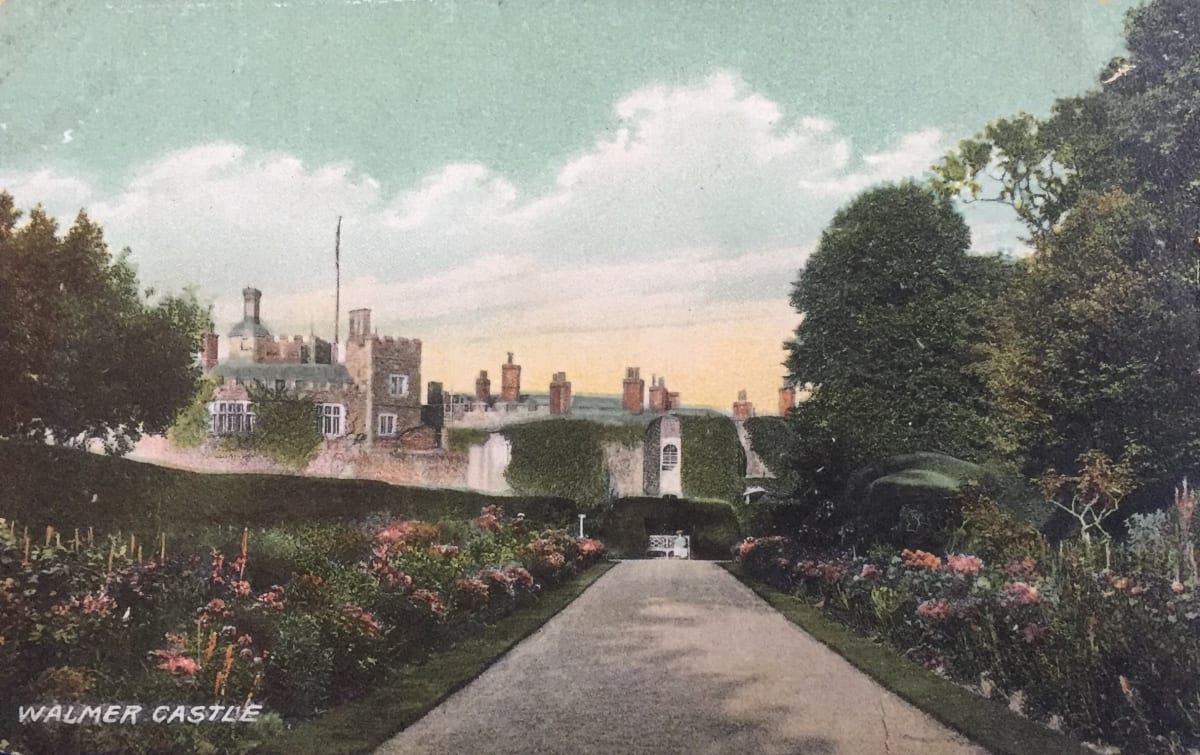
Queen Victoria’s 1842 stay at Walmer Castle reveals how the Kent coast offered royal privacy, maritime spectacle, and bracing sea air during a scarlet-fever scare at Brighton. Diary entries track carriage travel through east Kent, daily walks on shingle and cliffs, ship salutes off the Downs, and the discomforts of stormy weather and illness that complicated the holiday.

Princess Victoria’s childhood stays at Pierremont House in Broadstairs show how royal seaside holidays reshaped a small Kent town’s housing market, street life, and seasonal prestige in the 1820s–1830s. Newspaper reports and Victoria’s journals trace royal routines on the parade and pier alongside the local ceremonies, architecture, and elite rivalries that clustered around the Thanet resorts.

Queen Victoria’s visits to Ramsgate, Broadstairs, Margate, Canterbury, Rochester, Dover, Walmer Castle, and Chatham anchor a biographical map of royal movement through Kent in the 1820s–1850s. A lifelong diary and later published letters turn these seaside holidays and military-hospital calls into a richly documented record of place, leisure, and duty.

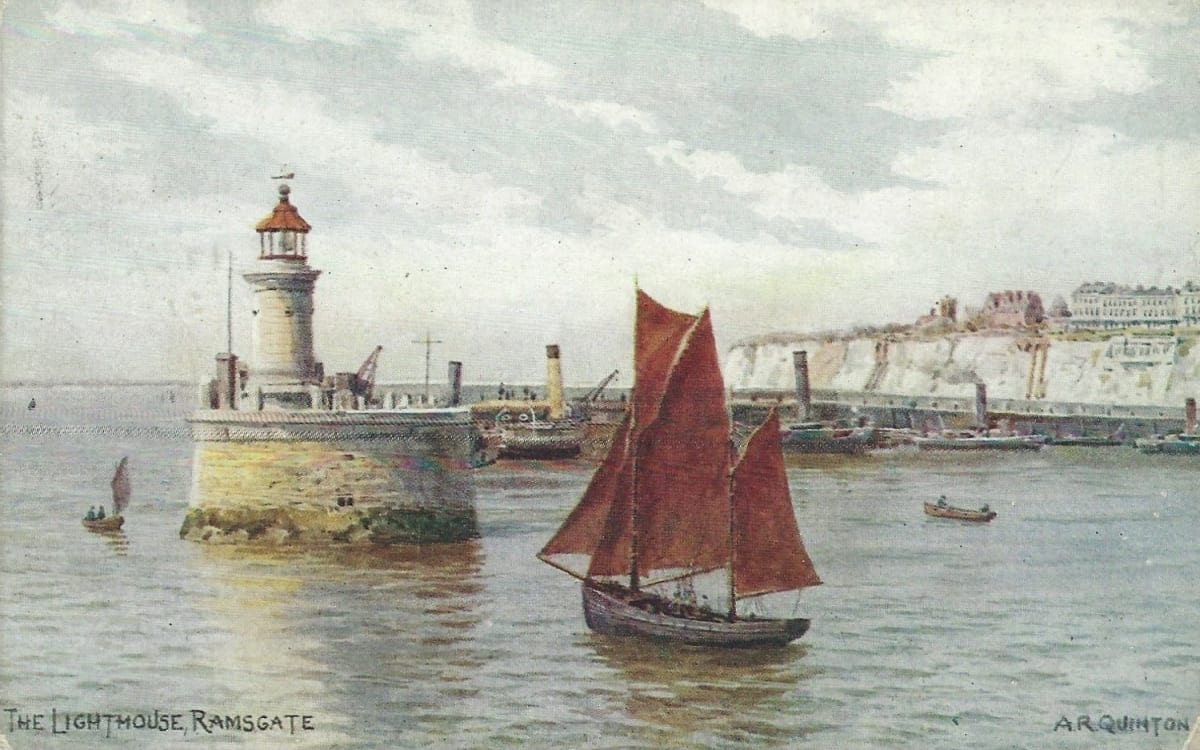
Princess Victoria’s 1835–36 stay at Albion House in Ramsgate shows how a royal visit amplified seaside spectacle and local pride through decorated streets, harbour pageantry, and crowds on the pier. Her journal traces daily walks, excursions to nearby resorts and churches, illness and recovery, and a growing fascination with maritime life framed by the Channel’s proximity to France.

Dante Gabriel Rossetti’s final months in Birchington link Pre-Raphaelite art and poetry to a Kent landscape prized for recuperative sea and country air. Christina Rossetti’s Birchington Churchyard frames his death, burial, and memorials at All Saints as a meditation on hope, time, and the churchyard’s coastal setting.

R. D. Blackmore’s Alice Lorraine reimagines the Weald and the Vale of Medway as an earthly pastoral paradise, set against a carefully staged escape from London in 1811. Close attention to orchards, farms, and market travel shows how the novel sidesteps contemporary political tension to create a timeless idyll in Kent.

Elizabeth von Arnim’s comic novel The Caravaners is based on a real holiday in the summer of 1907. It is narrated by a pompous German tourist, whose lack of aesthetic sense distances him from his companions; but also allows the author to poke fun at more self-conscious lovers of the picturesque.

The self-styled ‘Royal Ramsgate’ remained a popular choice of holiday destination with very different visitors throughout the 19th century. It attracted a young Princess Victoria as well as inspiring the setting of a novel by Wilkie Collins. This unlikely pairing is suggestive of the uncertain and shifting reputation of the town across the century.

Margate developed as a prominent seaside resort in the 18th century: the ‘modesty hood’ screening naked users of the bathing machines was invented here. But by the 19th century the town was gaining a more populist reputation.

Folkestone established itself as a seaside resort in the 1840s and ‘50s. At the height of its success the town termed itself ‘‘Fashionable Folkestone’. The 4th Earl of Radnor was particularly keen to maintain its exclusive reputation, insisting that a policeman should keep the lower classes from walking along the Leas.