Primrose Cumming (1915-2004)
Michelle Crowther presents the life and works of author Primrose Cumming.

Michelle Crowther presents the life and works of author Primrose Cumming.

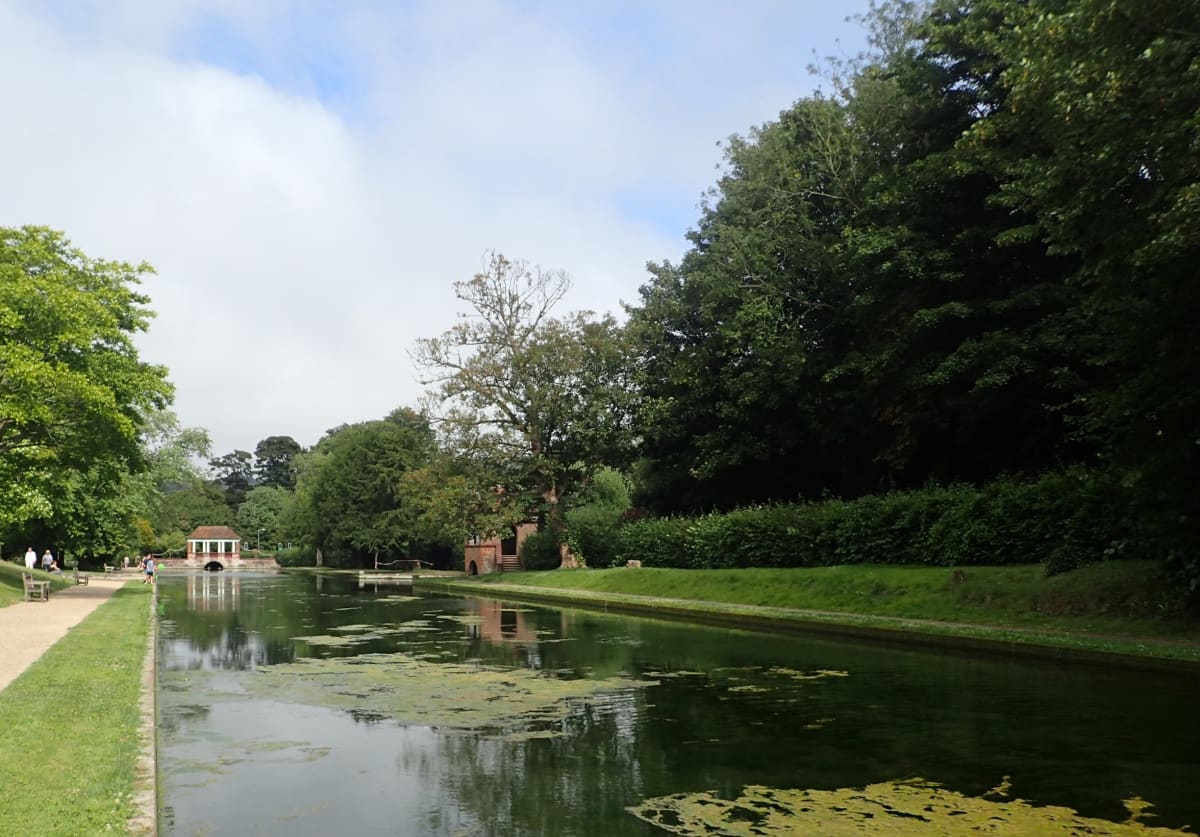
The River Dour chalk stream runs only four miles from Temple Ewell to Dover Harbour, yet it has shaped the town’s wildlife habitats, parks, and waterside landmarks. Newspaper reports and local histories trace a shift from mill-powered industry and civic leisure to culverts, pollution disputes, and twentieth-century clean-up campaigns that reframed the river as an urban asset.

Joseph Conrad lived in four houses across Kent. He is commemorated in a pamphlet written by his son, Borys, in 1974.

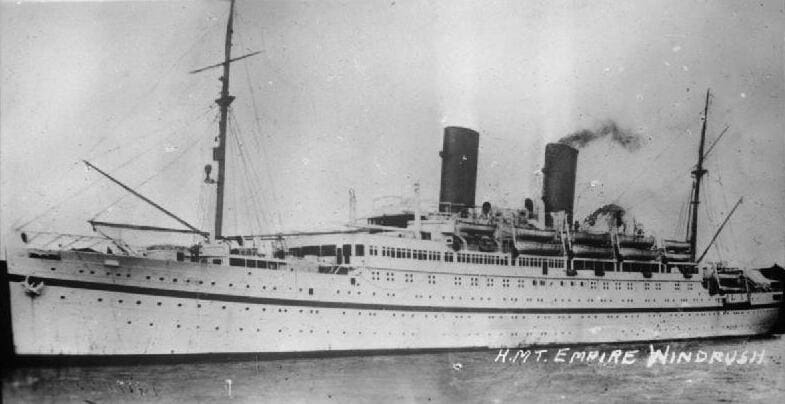
Martin Cohen’s life traces the Windrush generation’s legacy from Jamaican family roots in Leeds to work and community ties in Ashford, Kent. A planned path into policing, a public commendation for stopping an armed robbery, and decades of service work reveal how race, belonging, and reputation shaped everyday opportunity. Family photographs and local references anchor a personal history of migration, labor, and local civic life under late-20th- and early-21st-century Britain.

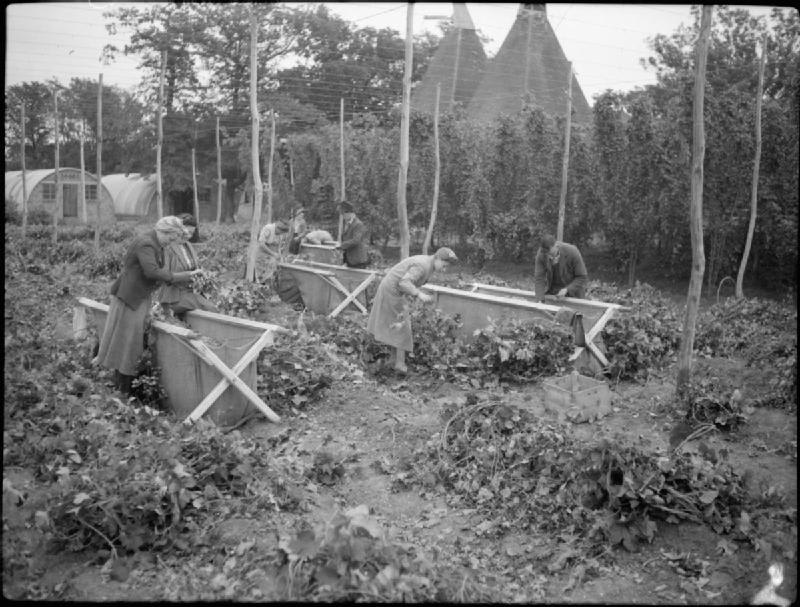
Jacqueline Winspear’s Kent childhood in the Weald shapes the landscapes, work traditions, and sensory detail of the Maisie Dobbs historical mystery novels. Orchards, hop gardens, oast houses, and towns from Goudhurst and Cranbrook to Dover and Chatham link memoir, wartime flashbacks, and detective plots into a sustained love of place.

John Ruskin’s 1858 lecture in Tunbridge Wells links iron, labour, and moral responsibility to the town’s spa landscape and its sharply stratified society. Rust-stained springs, iron railings, and mechanised farming become prompts for critiquing exclusion, conspicuous respectability, and the oppression of the poor amid local unemployment and civic self-improvement schemes.

Walter Tull, born to an immigrant mother, defied the odds to become a professional footballer and the first Afro-Caribbean officer in the British Army.

Albert Makaula White was the son of a Bhaca Chief. He became a clergyman before settling in Kent, where he worked as a farmer.

Billy Waters links Chatham Dockyard and the Royal Navy to the transatlantic world of Regency street performance, showing how a Black disabled sailor became a London celebrity after amputation ended his naval career. Press-ganging, war service, popular theatre, and blackface appropriation shaped his livelihood and memory, revealing both agency and vulnerability in nineteenth-century Britain.

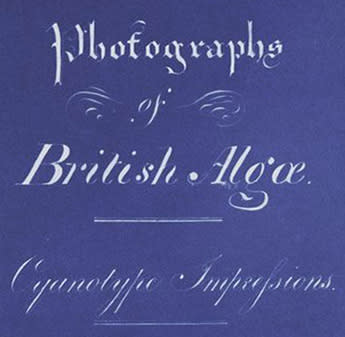
In this essay, Trinity Barber and Michelle Crowther introduce the life of Nineteenth Century botanist and photographer, Anna Atkins.

Neolithic chambered long barrows and sarsen stones on Blue Bell Hill and the Medway valley anchor a dense web of Kentish folklore, from Saxon origin legends to witches, fairies, and counting-taboo tales. Archaeological evidence and later literary and theatrical reworkings show how these megaliths keep shifting meaning, turning prehistoric monuments into living landmarks for belief, identity, and story-making.

Poet and novelist Richard Aldington was associated with the Imagist movement in the early part of the twentieth century. His novel The Death of a Hero reflects his experience of WW1.