Storykit-home
Preview Image

Transport in Canterbury in the 20th Century

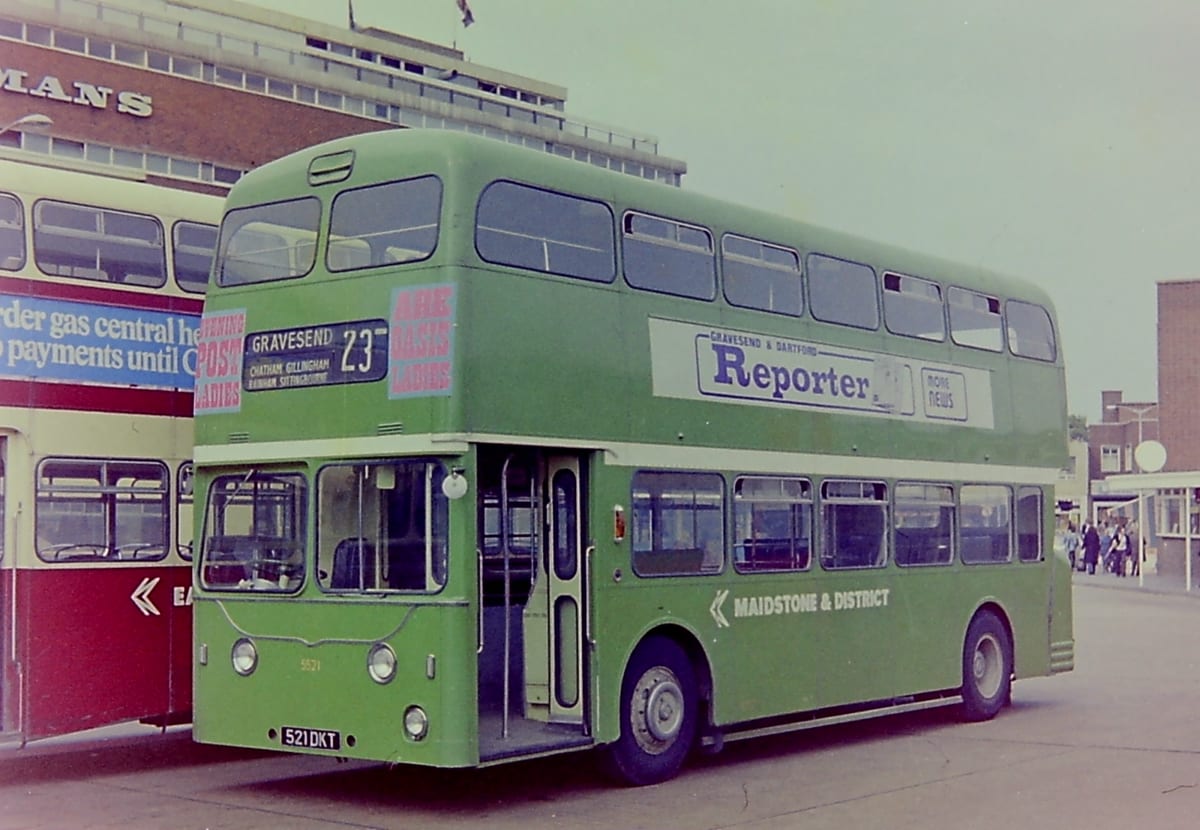
Road and rail decisions reshaped Canterbury’s streets, shifting A2 traffic from the High Street to ring roads and bypasses while congestion persisted despite Park and Ride and new car parks. Electrification brought cleaner trains without faster journeys until the 2007 high-speed service, while branch-line closures, wartime railway use, and the 007 coach route link local mobility to wider national networks and popular culture.

Preview Image

Canterbury Museums, Visitor Experience and the Cathedral in the 20th Century

Twentieth-century Canterbury rebuilt its visitor economy around museums, heritage attractions, and a modernised welcome at the Cathedral as mass tourism expanded and access improved after the Channel Tunnel. Westgate, Eastbridge, the Beaney, the Marlowe Theatre, and St Augustine’s Abbey show how historic buildings were repurposed, curated, and branded to meet changing expectations of education, entertainment, and world-heritage pilgrimage.

Preview Image

Sherlock Holmes and Canterbury

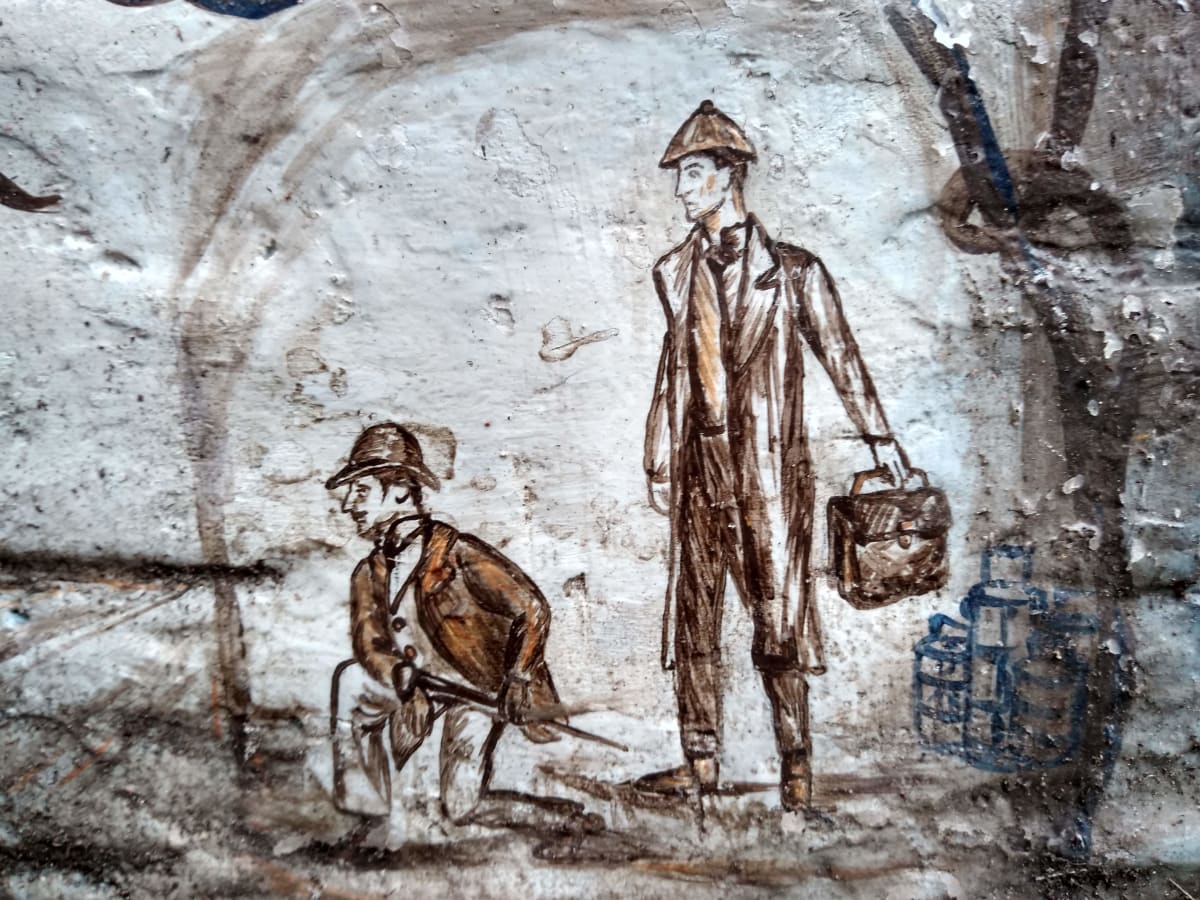
Canterbury appears briefly in Conan Doyle’s _The Final Problem_ as a tactical stop on Holmes and Watson’s rail route from London toward Dover and continental Europe, highlighting the city’s role as a transit hinge rather than a dramatic setting. The essay contrasts this minimal textual presence with Sherlock Holmes’s large afterlife in English popular culture and heritage tourism, where the detective’s perceived reality grows through tours, adaptations, and material icons.

Preview Image

Maidstone Convict Prison

Maidstone convict prison, opened in 1909 beside the town’s older jail, became a distinctive English penal site for first-offence star class prisoners serving long sentences. Its concentration of white-collar offenders, reprieved lifers, and sex offenders, alongside a comparatively relaxed regime and privileged work like printing, exposes how class and reputation shaped punishment from the interwar years through wartime evacuation and later rehabilitation experiments.