
Richard Dadd (1817-1886)
Richard Dadd was one of the most famous inmates of Bethlem Hospital for the insane. He is also recognised as a major Victorian artist.
Richard Dadd was one of the most famous inmates of Bethlem Hospital for the insane. He is also recognised as a major Victorian artist.
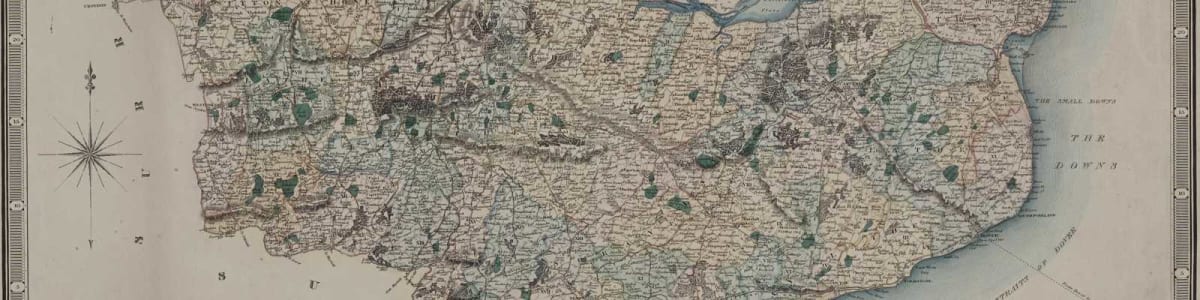
Using original diary entries Ivana Nika traces the journey of Anne Walker and Anne Lister through Kent en route for the continent in 1834.
The late medieval and early modern history of All Saints Parish Church

Paul Nash, war artist and photographer, became an important influence in British inter-war surrealism and Modern Art. Nash suffered with post-traumatic stress disorder following WW1 and spent three years recuperating in Dymchurch.
Dr Ruth Heholt introduces Kent born and raised author Catherine Crowe whose eclectic work has been linked with spirits and smugglers.
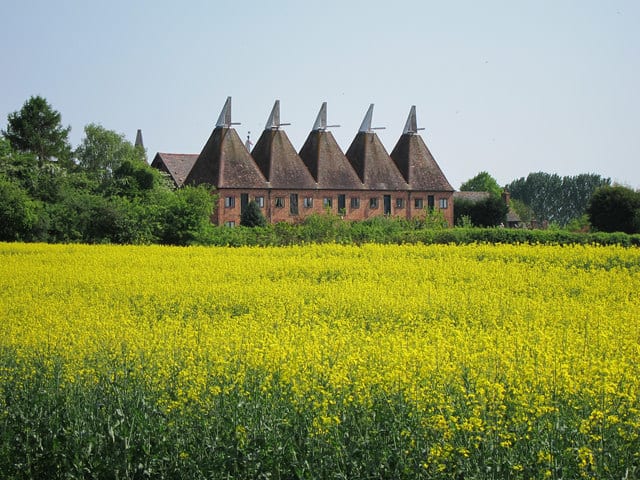
Alice and Michelle trace Kent connections in the life and work of poet, author and critic, Edmund Blunden.

Brogdale Farm near Faversham preserves the National Fruit Collections as a living archive of more than 4,000 fruit varieties and their genetic diversity. Tudor-era orchard building, twentieth-century supermarket standardisation, and modern scientific curation explain why grafted heritage cultivars matter for food security, research, and cultural memory.

Coal was first discovered in East Kent in 1890, with Betteshanger being the last pit to close in the Coalfield in 1989. Kent miners had a reputation for militancy, and were the last to return to work in 1985 after the national strike.

Angela Burdett-Coutts was a wealthy philanthropist and had close ties with figures including Dickens and the Duke of Wellington. She stayed in Kent on various occasions and donated a lifeboat to Margat.
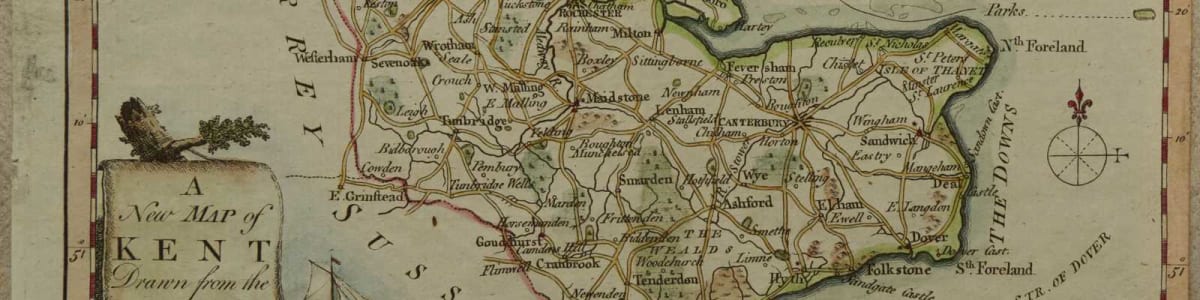
Ann Radcliffe’s 1797 journey through Kent recasts familiar towns and river landscapes in the heightened language of Gothic and Romantic description. Journal extracts trace her route from Gravesend and Rochester to Canterbury and the coast, showing how lived travel and literary style combine to shape place. The posthumous publication of these notes also clarifies her later-life retreat from authorship and the thin biographical record around her.
Israel Zangwill’s writing career could be said to have begun on holiday in Kent, when he was 16. As a New Humourist in the 1890s, he wrote comic articles on Thanet for the Pall Mall Magazine.
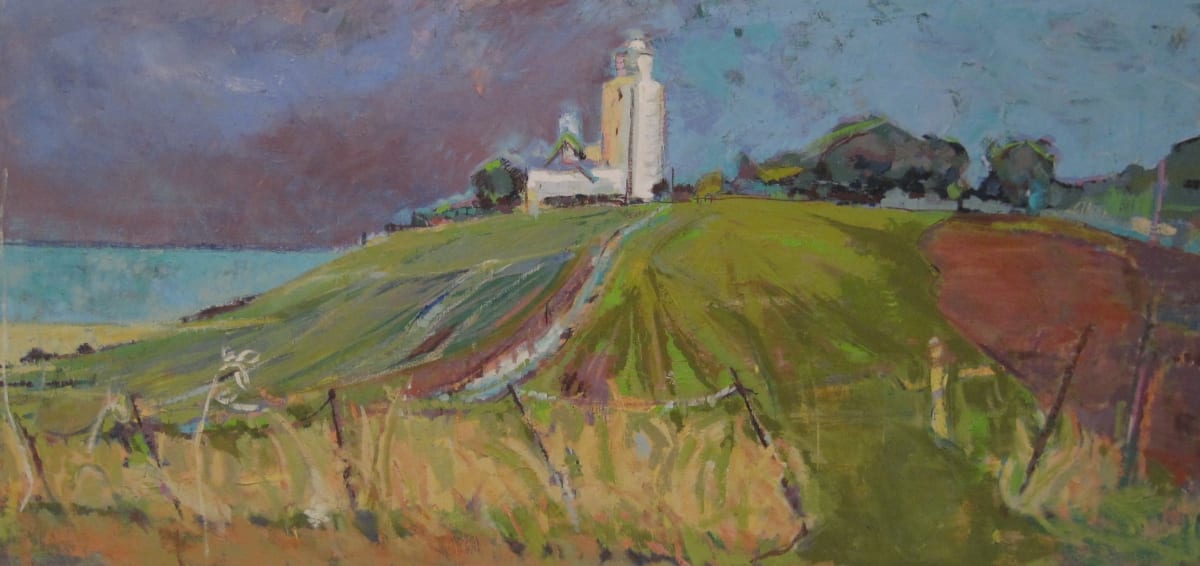
Fanthorpe was evacuated from Kent during World War 2, but her childhood experience remains visible in her later poetry.